
Sarah Molema & Deaftronics
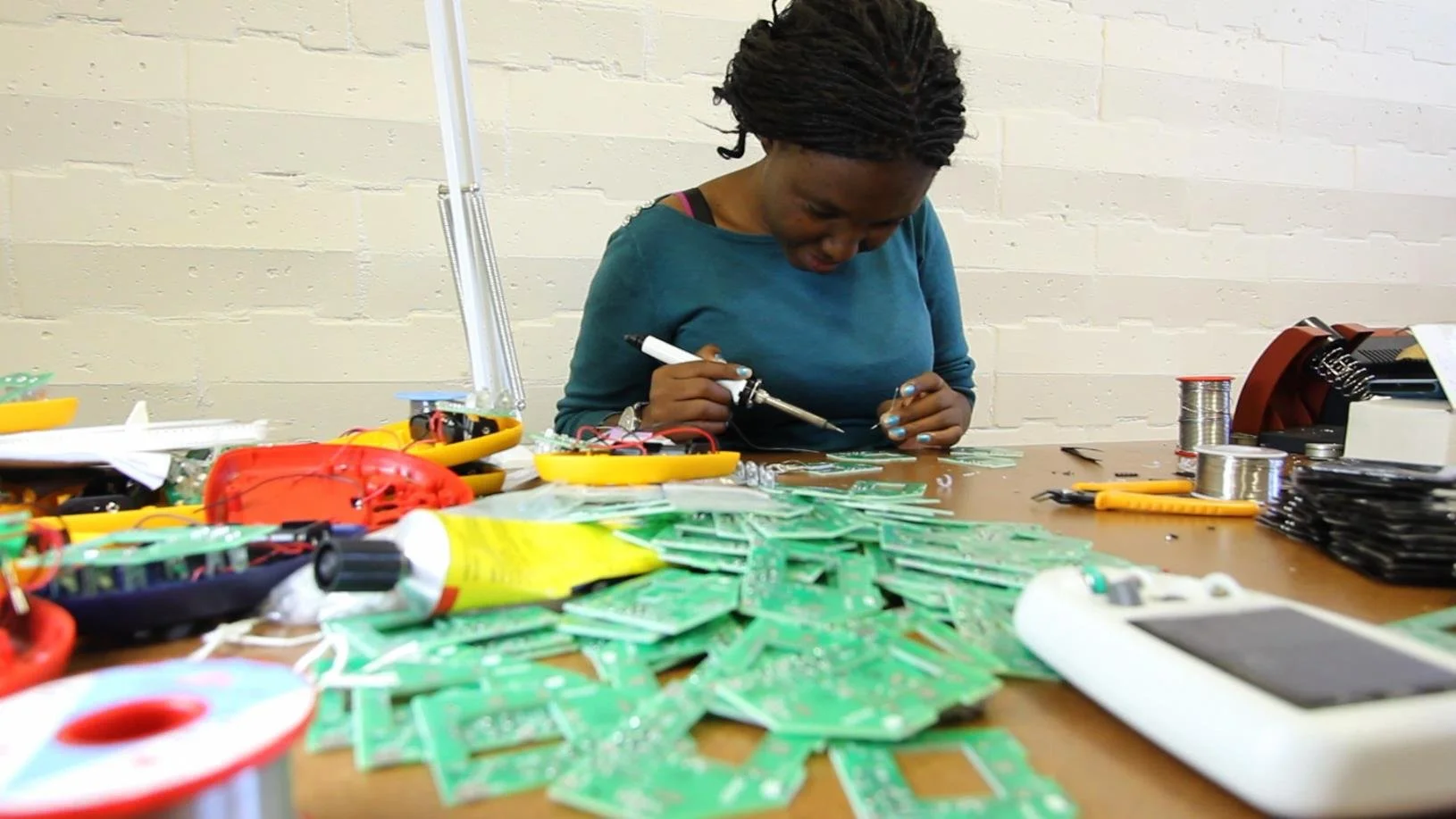
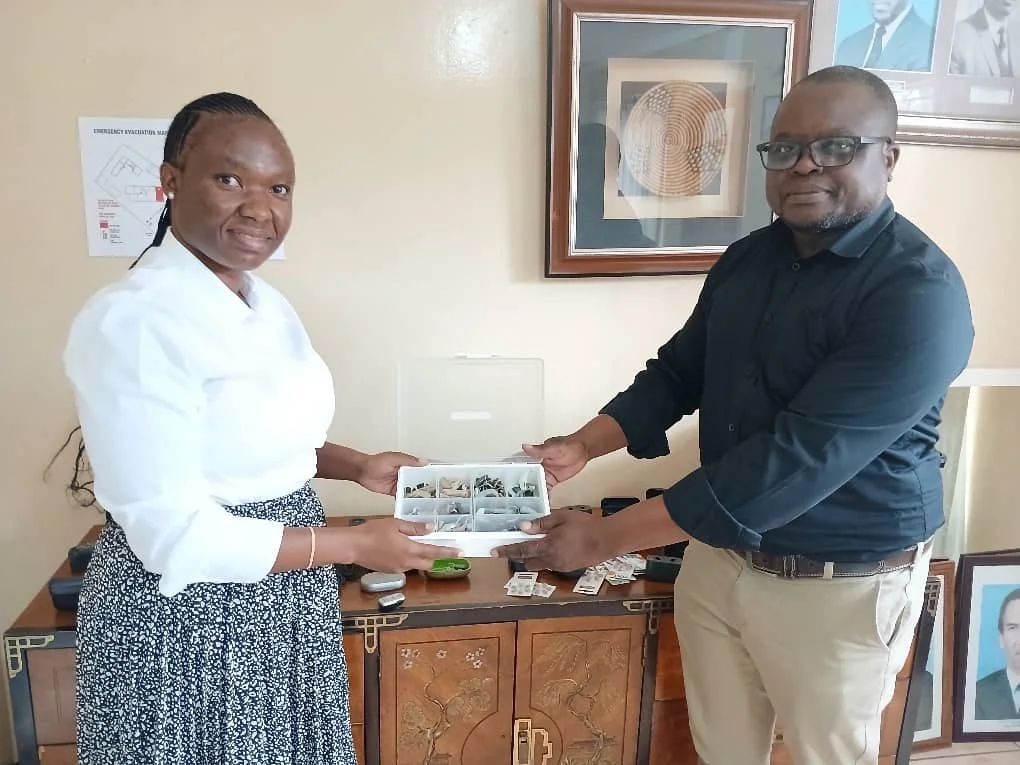
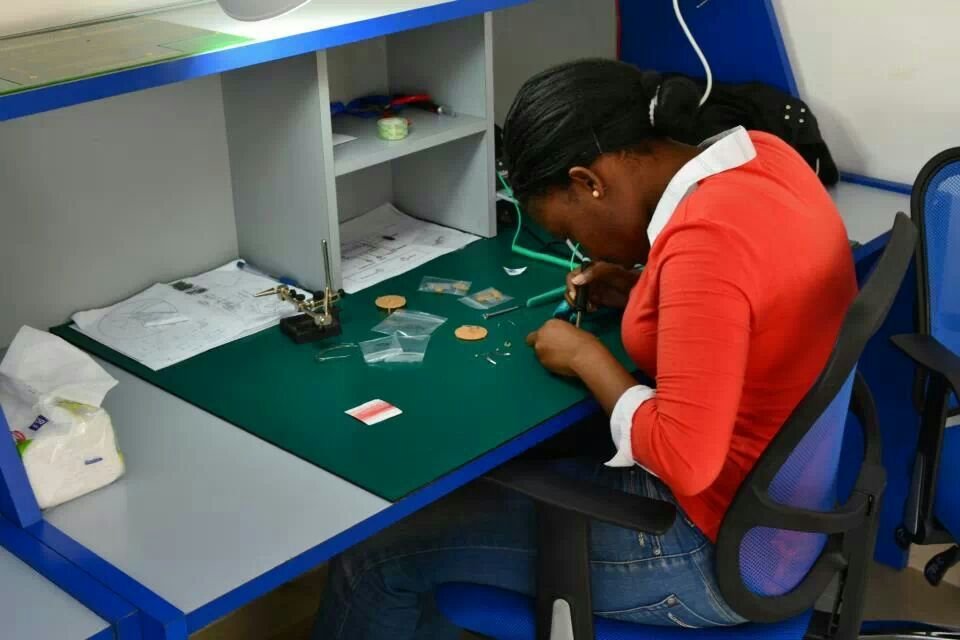
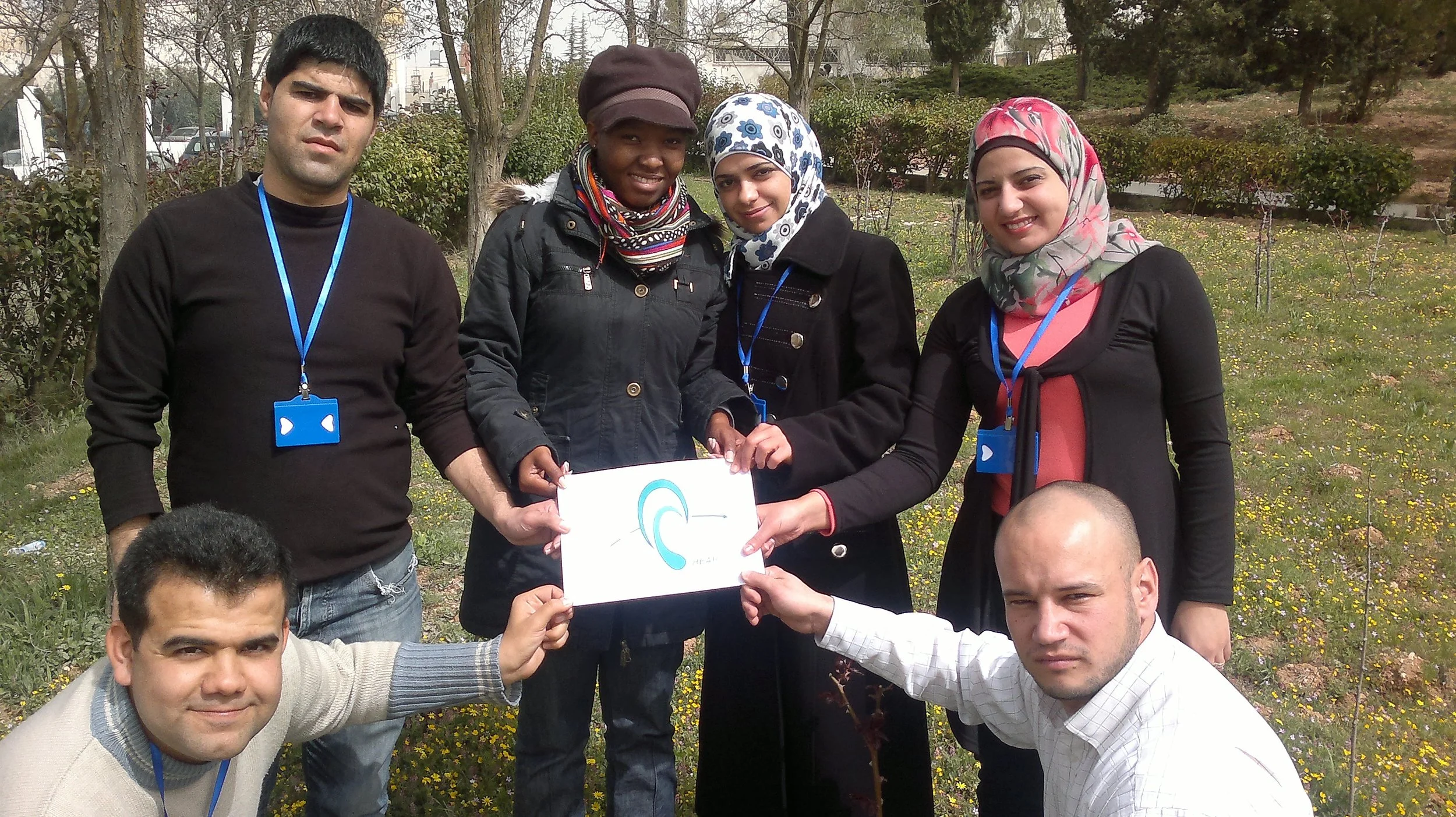
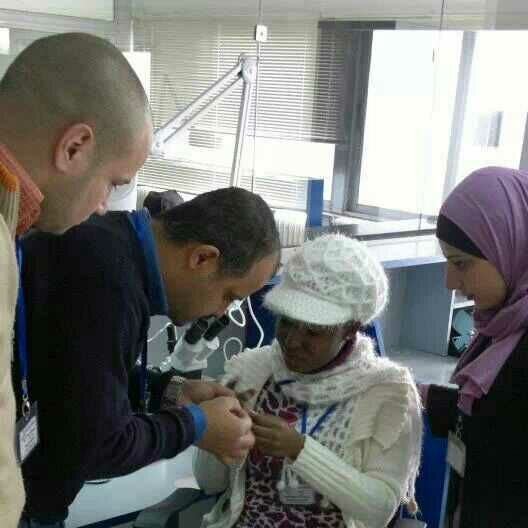
Sarah Molema is a community-driven entrepreneur based in Gaborone, Botswana, and the founder of Deaftronics. Sarah is herself deaf, and growing up she saw firsthand the barriers women and the deaf community face in accessing healthcare and opportunity — an experience that led her to blend technology and empathy into affordable, inclusive solutions. Deaftronics designs solar-powered hearing aids and AI-driven healthcare tools like its mDREET screening app, and has piloted its work across Botswana, Uganda, Tanzania, Zimbabwe, South Africa, and Namibia — training deaf people in electronics assembly as far afield as Brazil and Jordan, and building partnerships with hospitals along the way.
Deaftronics developed the world's first rechargeable hearing aid battery — a solar-powered battery that lasts two to three years and fits roughly 80% of hearing aids on the market today. It can be charged by sunlight, household light, or a cell phone charger, making hearing aid maintenance dramatically more affordable and accessible for the communities Deaftronics serves.
With our $500 Giving Joy microgrant, Deaftronics is expanding its training workshops for deaf women in electronics assembly, providing the materials, toolkits, and components — batteries, circuits, shells — needed to build solar-powered hearing aids. The goal is to give women practical, marketable skills, create sustainable local employment around hearing aid assembly, and make affordable hearing aids accessible to families who would otherwise go without.
The Expected Impact
This grant is expected to directly benefit 40 women through training and employment, who will in turn support an estimated 25 families with access to affordable hearing aids. An additional 120-plus community members are expected to benefit from expanded access to inclusive healthcare solutions, as the skills and production capacity built during the grant period continue to grow beyond it.
Looking Ahead
Deaftronics will purchase training materials, electronics toolkits, and hearing aid components, then run workshops for deaf women in electronics assembly. Participants will move into assembly sessions, distributing finished hearing aids and providing ongoing mentorship, before documenting outcomes and building a sustainability plan. From there, the focus turns to strengthening partnerships with hospitals and NGOs and exploring how to scale production to meet growing regional demand.