Uma Sharma & WomenasticCO
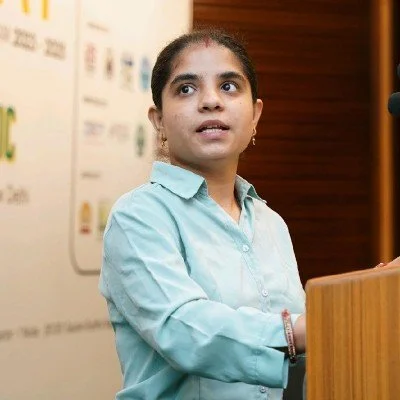
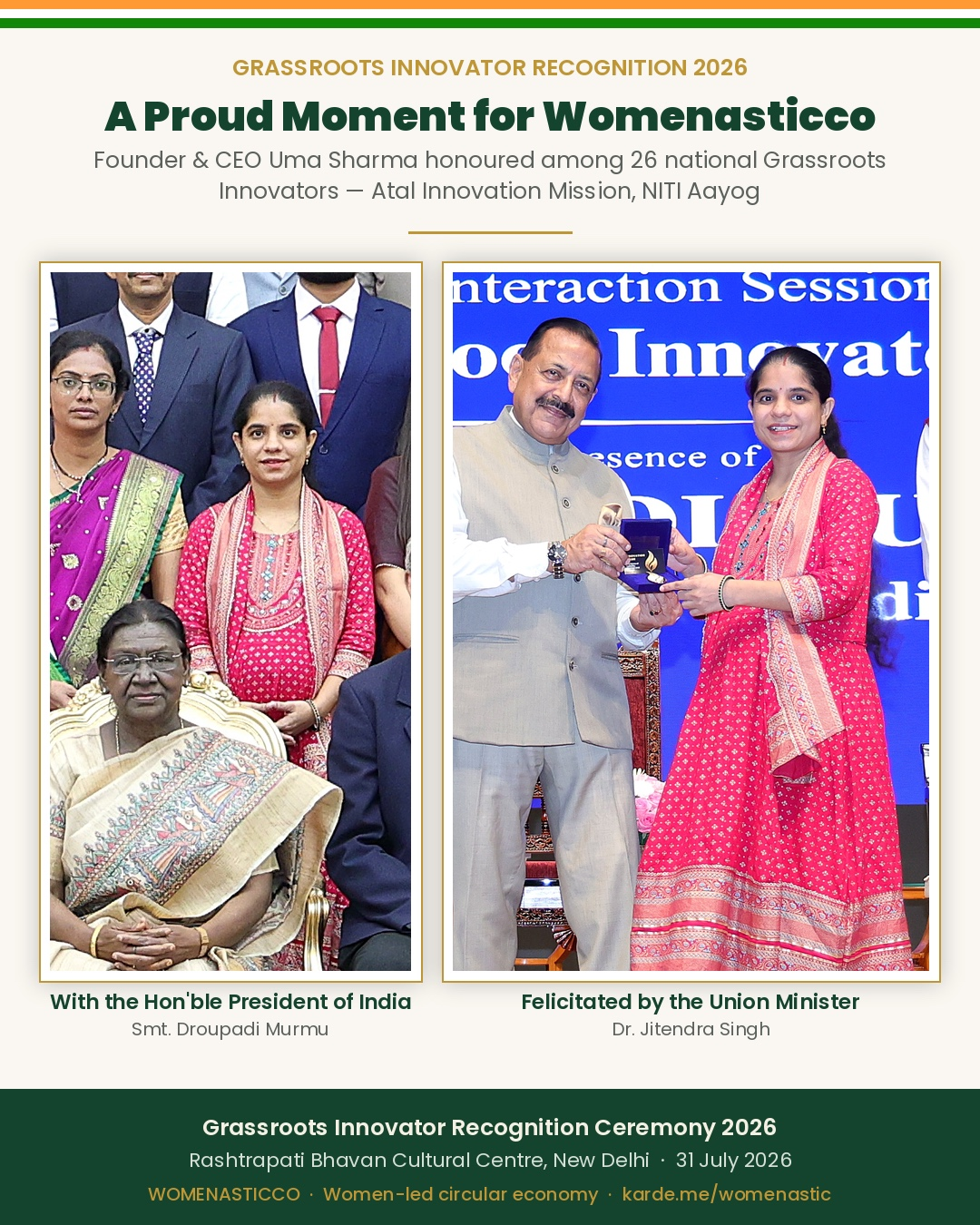
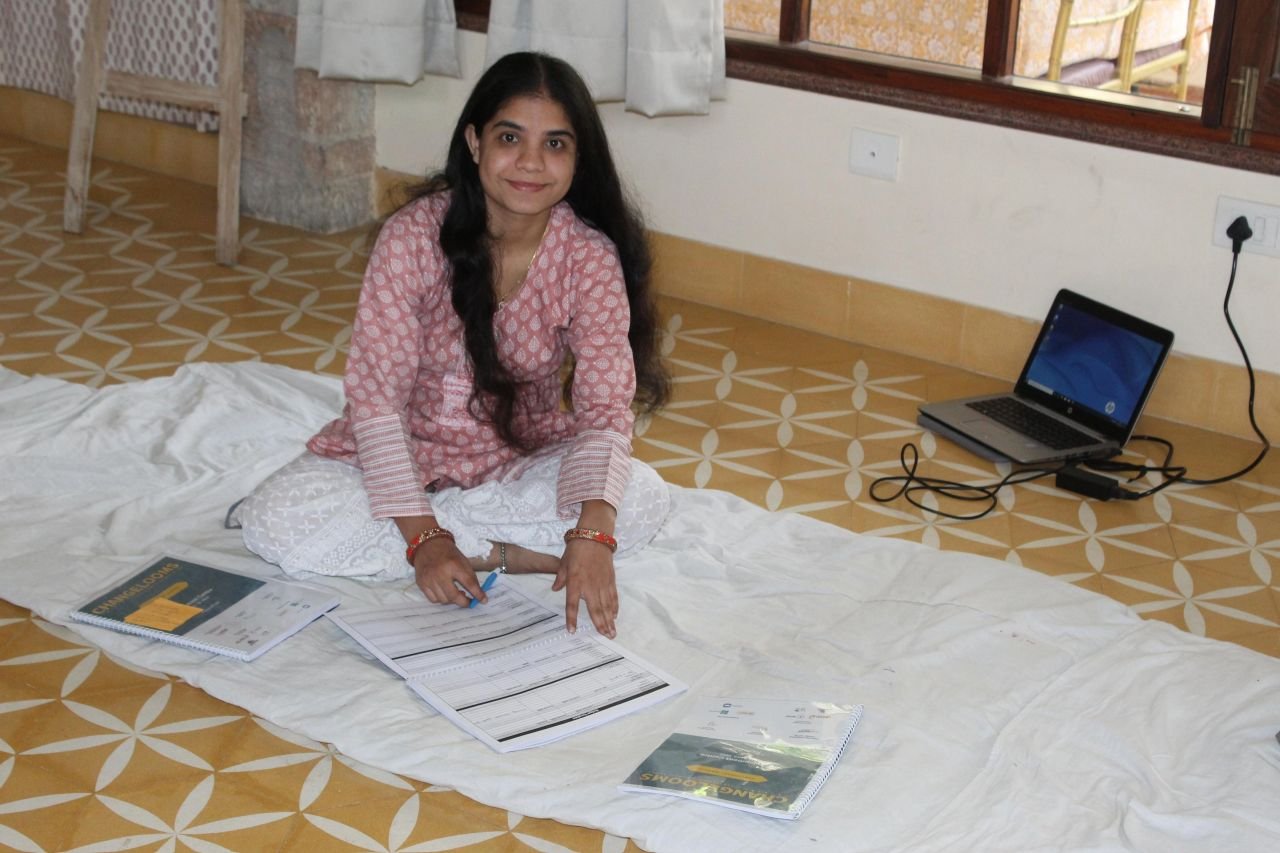
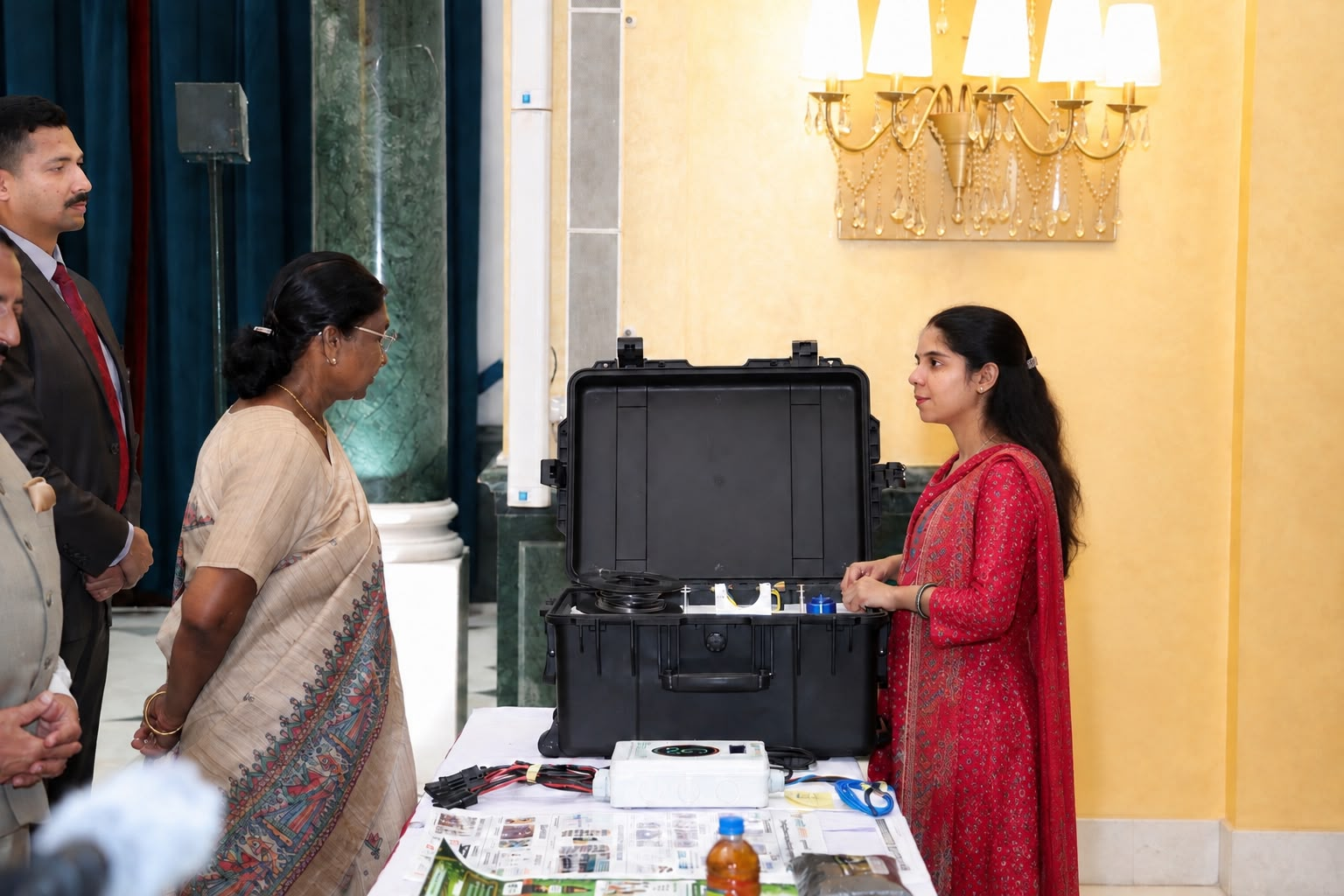
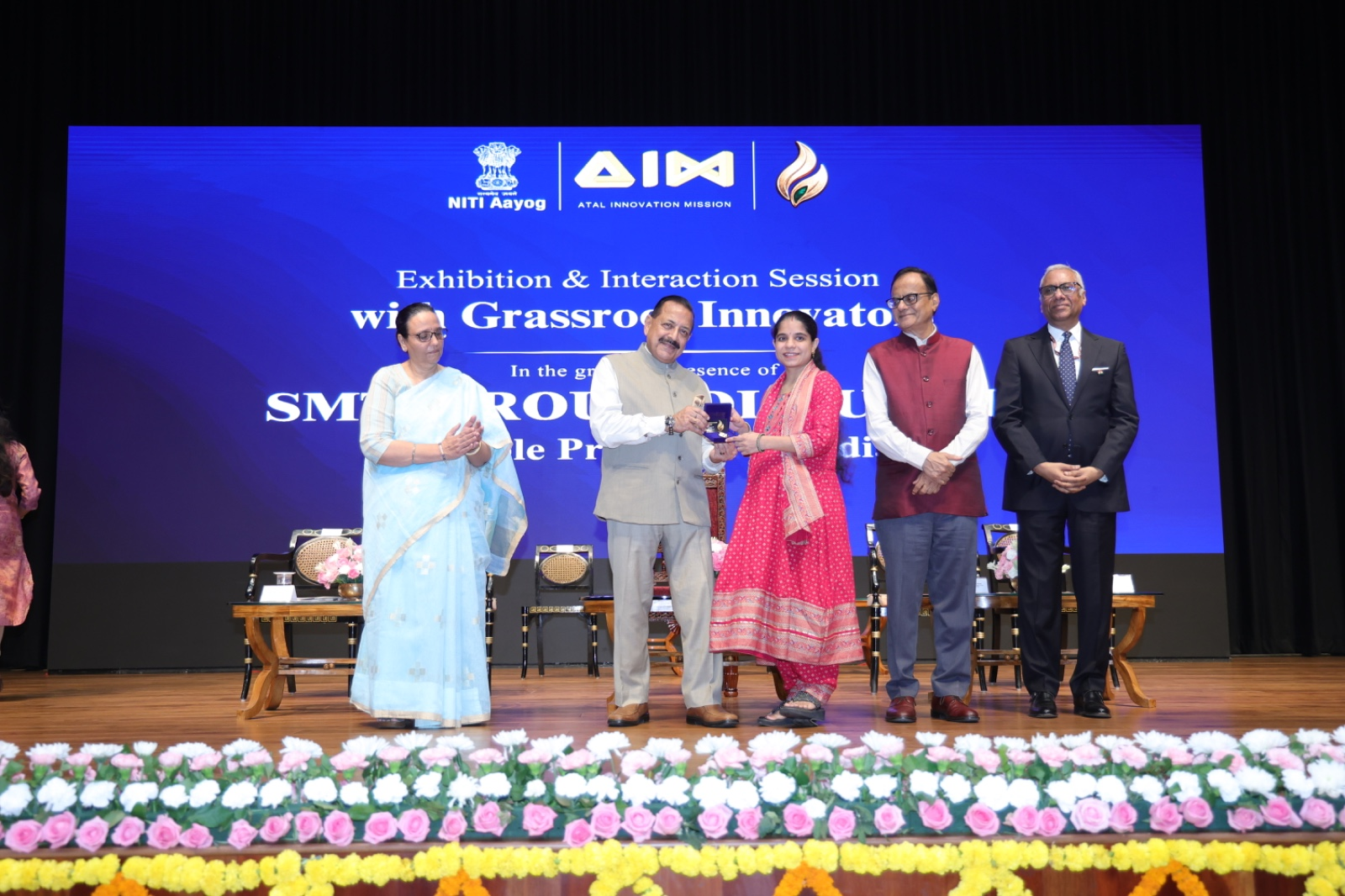
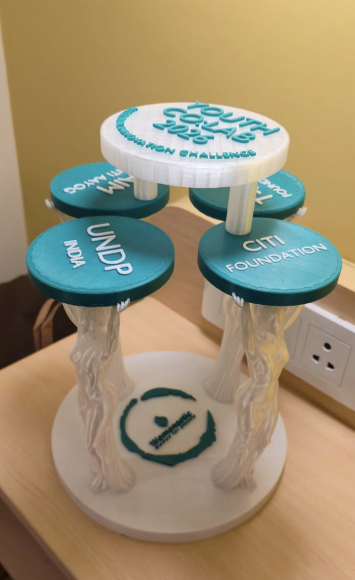
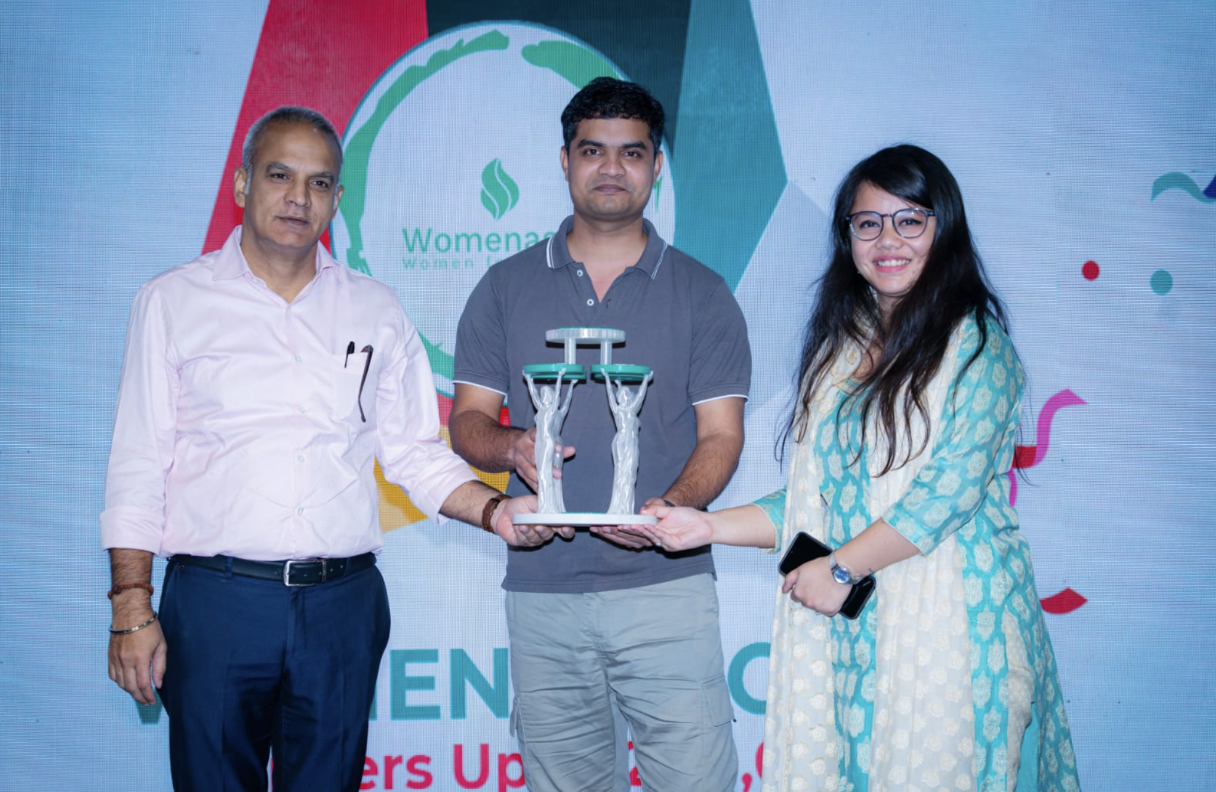
Uma Sharma is the Founder of WomenasticCO, a women-led sustainability startup based in India. Inspired by the lack of income opportunities for women in her community and the mounting plastic waste crisis in rural and semi-urban India, she launched WomenasticCO to train women and youth to convert plastic waste into useful, sellable products using 3D printing and recycled-plastic handicrafts — creating livelihoods for women while reducing plastic waste in the communities where they live. By partnering with rural communities, Ms. Sharma provides women with skill-based training and sustainable employment, empowering them to become self-reliant and make a lasting impact.
With our $500 Giving Joy microgrant, (generously donated by ARC Collective, a woman-founded and led media company), WomenasticCO is training 5 to 7 women in converting plastic waste into useful products using recycled plastic and 3D printing technology, and moving 2 of them into full-time roles as machine operators. The grant covers training materials, basic tools and molds, plastic collection and sorting supplies, machine spare parts, and stipends that make it possible for women to attend and complete the training — with the goal of retaining 2 women as full-time machine operators generating sustained income, equipping the rest of the group with marketable skills for future production and sales roles, and building a pilot that demonstrates measurable impact, reduces local plastic waste, and raises community awareness.
The Expected Impact
This grant is expected to directly benefit 5 to 7 women through skill training and income opportunities, who will in turn support an estimated 15 to 21 family members. An additional 25 to 35 community members are expected to benefit through improved waste management and access to sustainable products — bringing the project's total projected reach to roughly 45 to 65 people.
Looking Ahead
Over the six-month grant period, WomenasticCO will spend the first one to two months on training, tool provision, and collection setup, with production and stipend support continuing through the rest of the grant term. By the end, the goal is two new full-time operators, a trained bench of women ready for future roles, and a replicable model for turning plastic waste into women-led income across more communities.