
Caitlin Lambert & Children’s Legal Defense Center (CLDG)
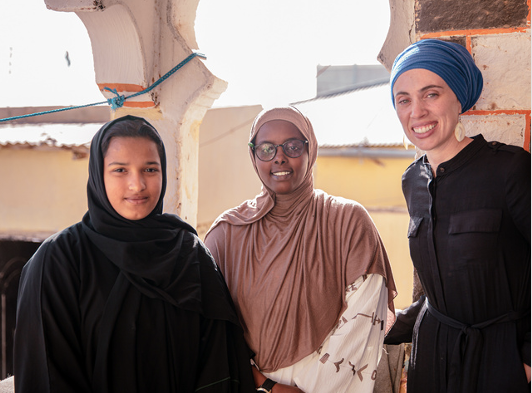
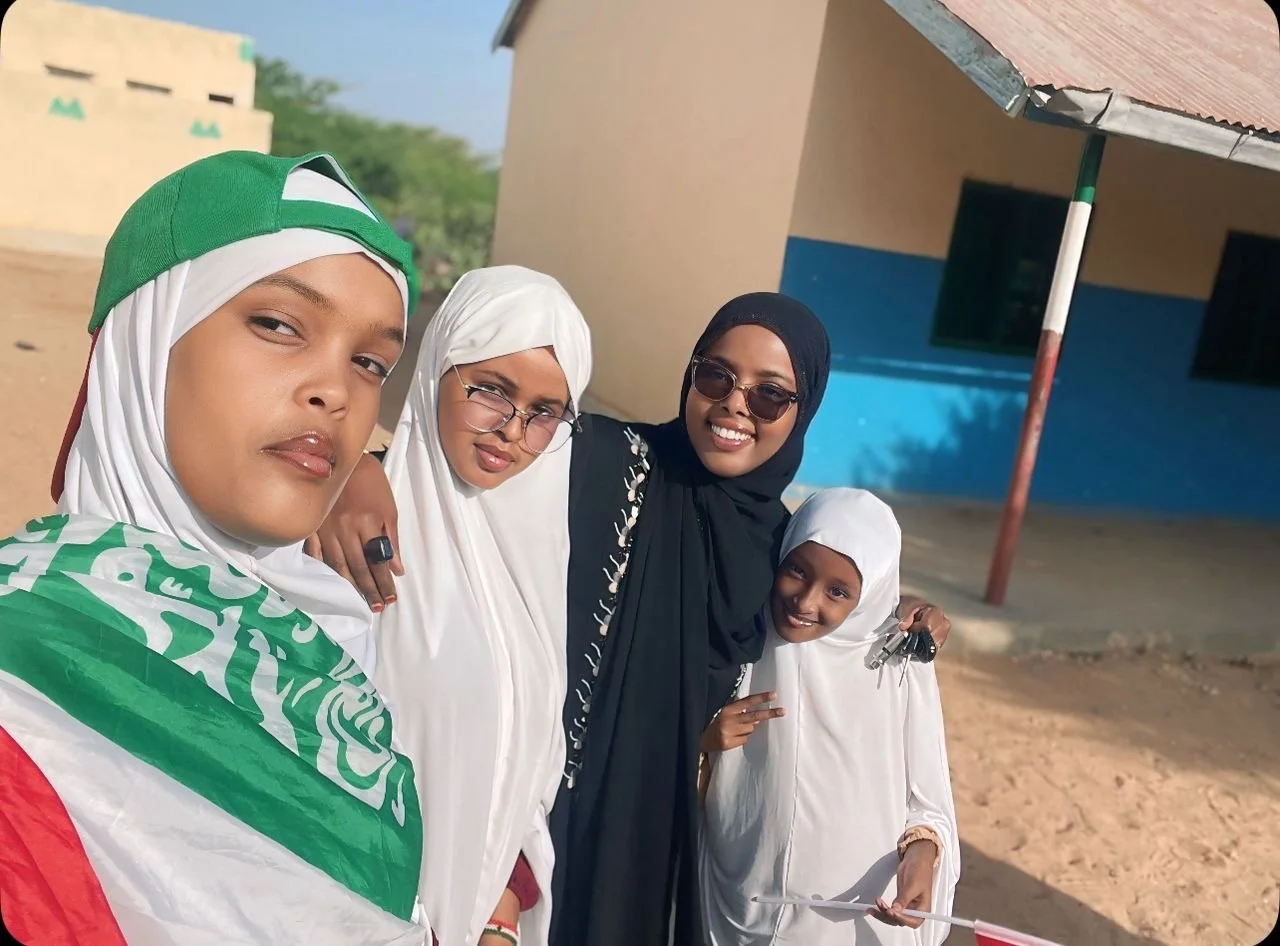
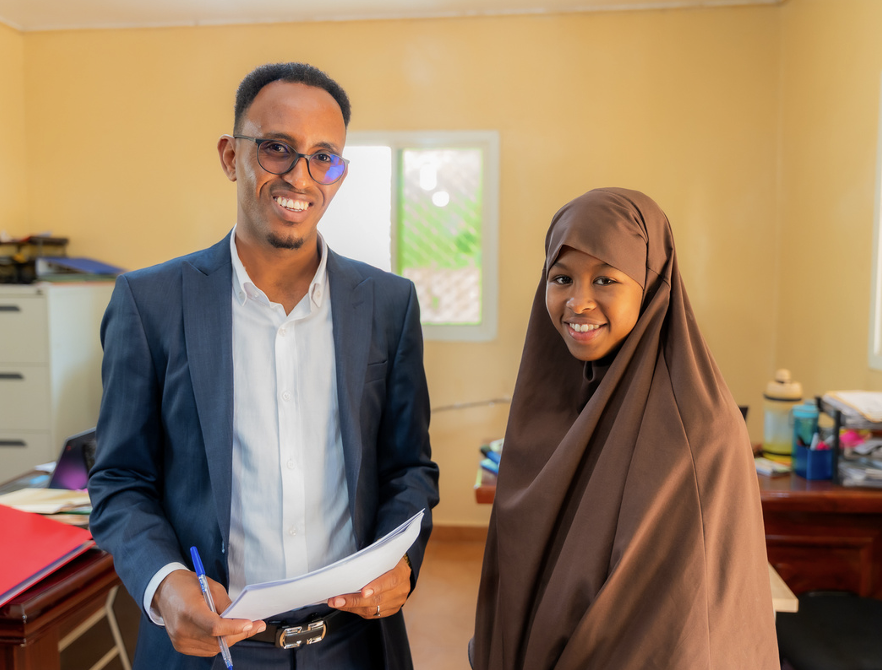
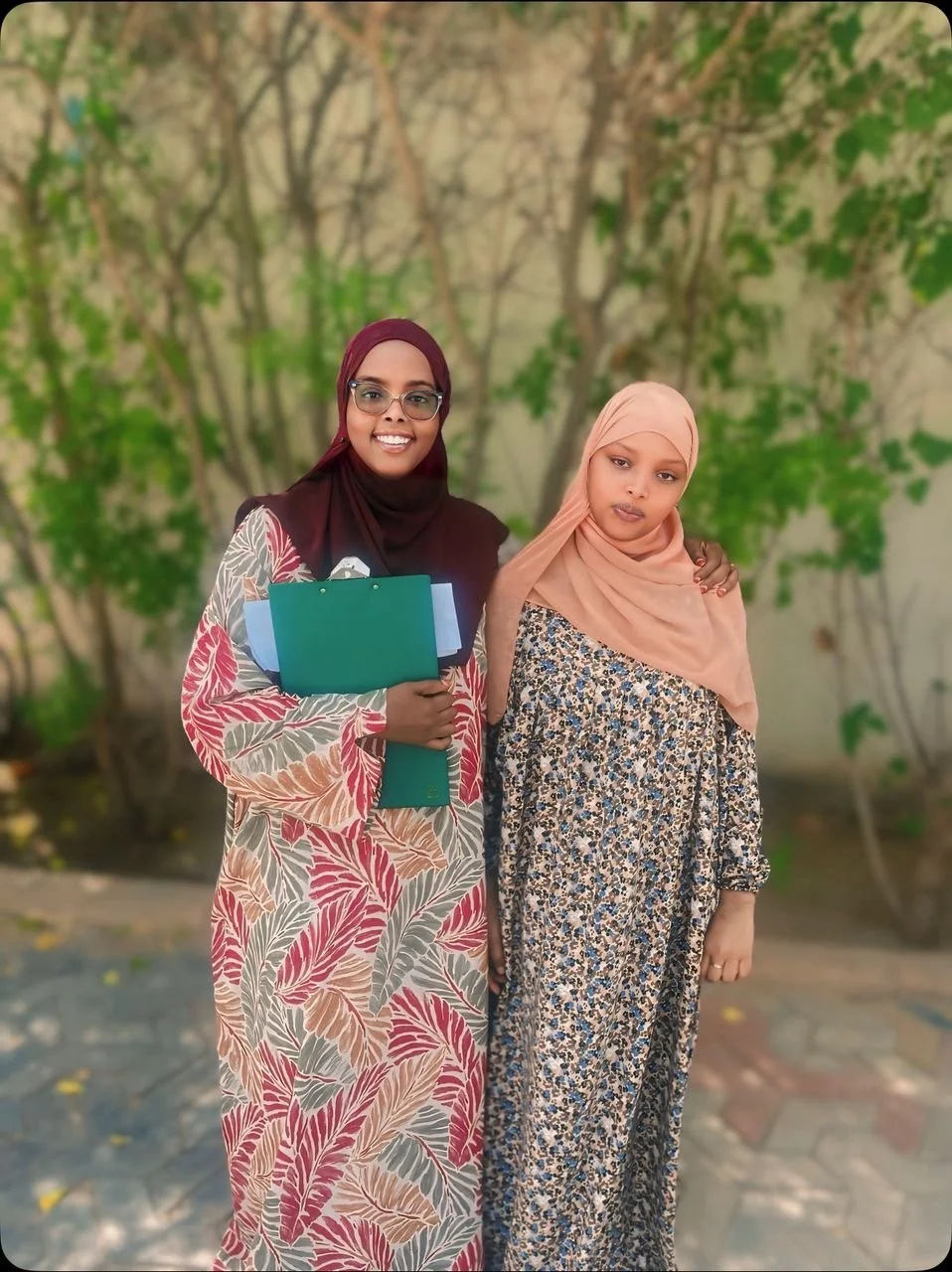
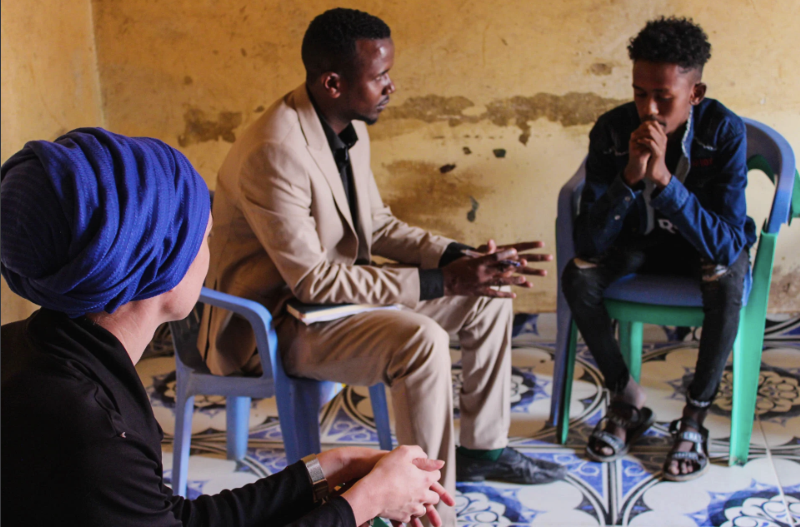
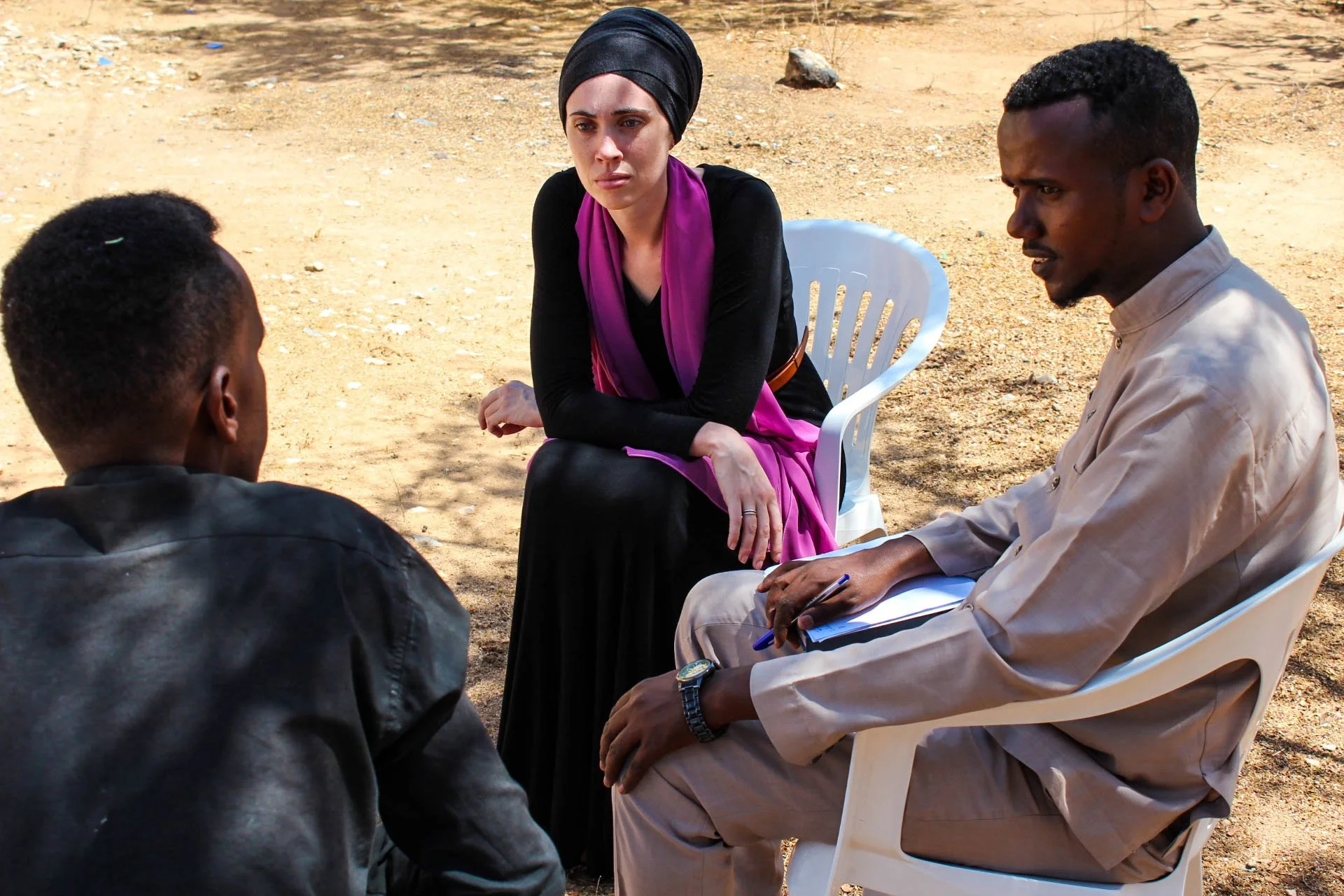
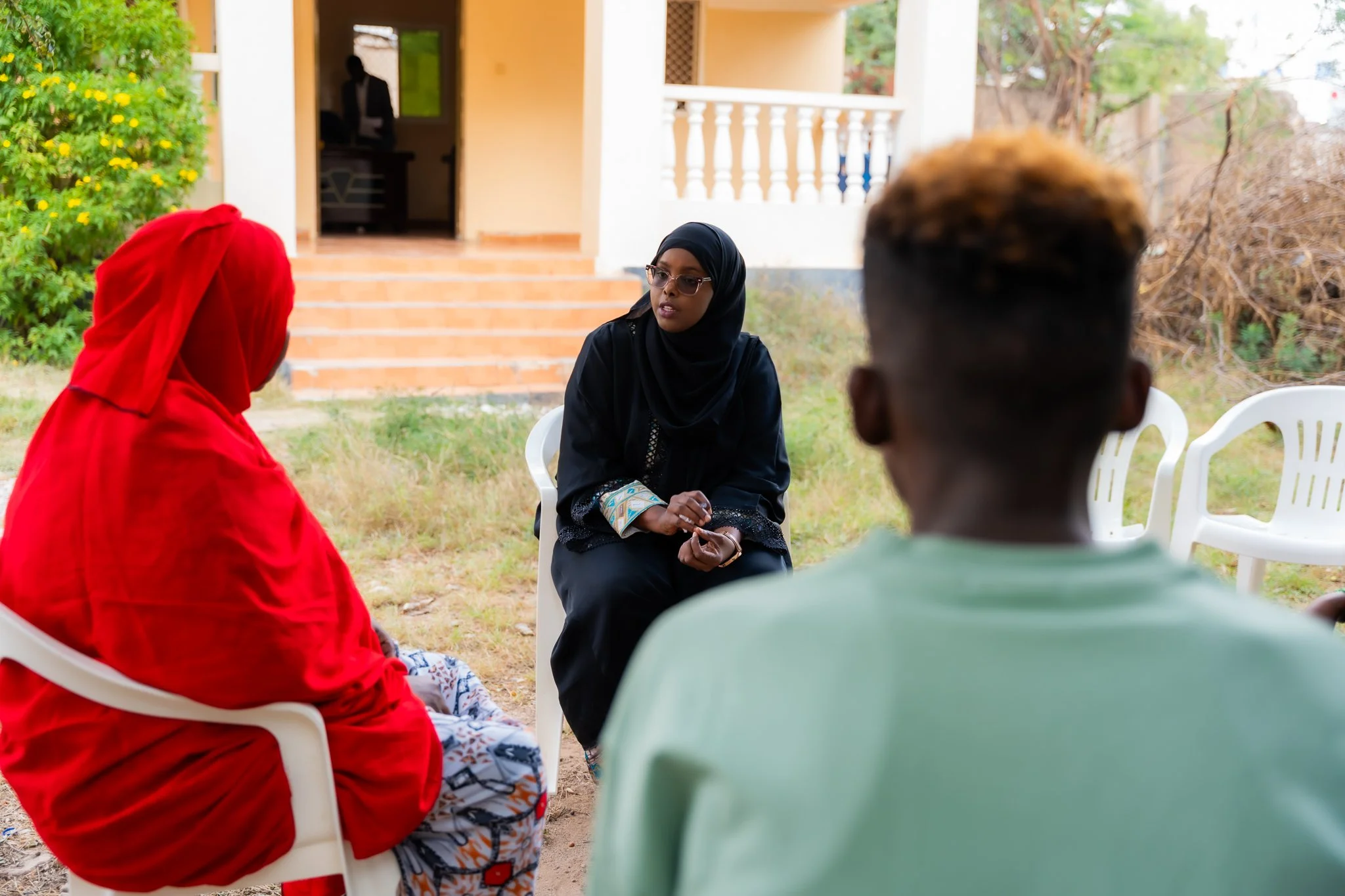
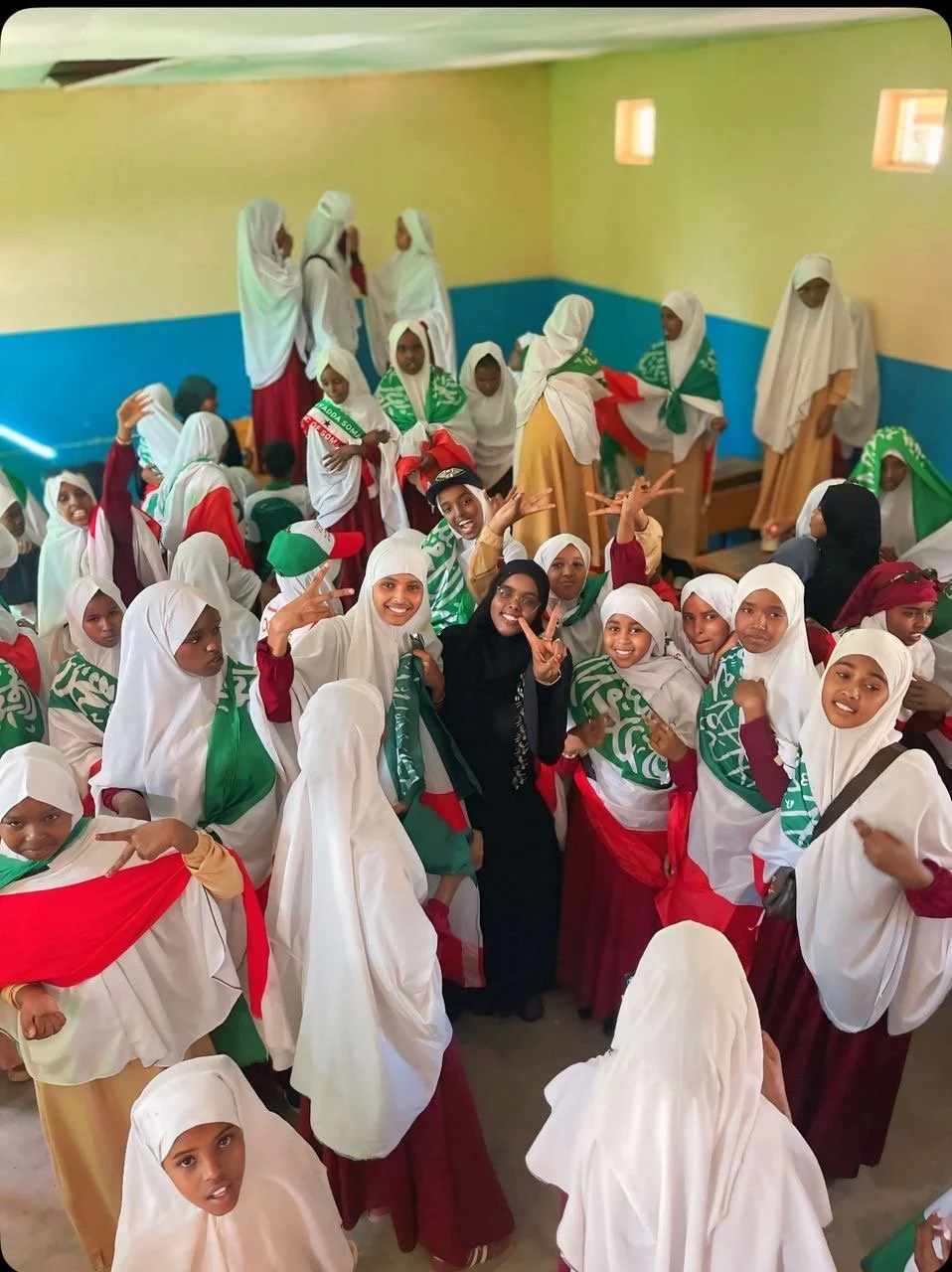
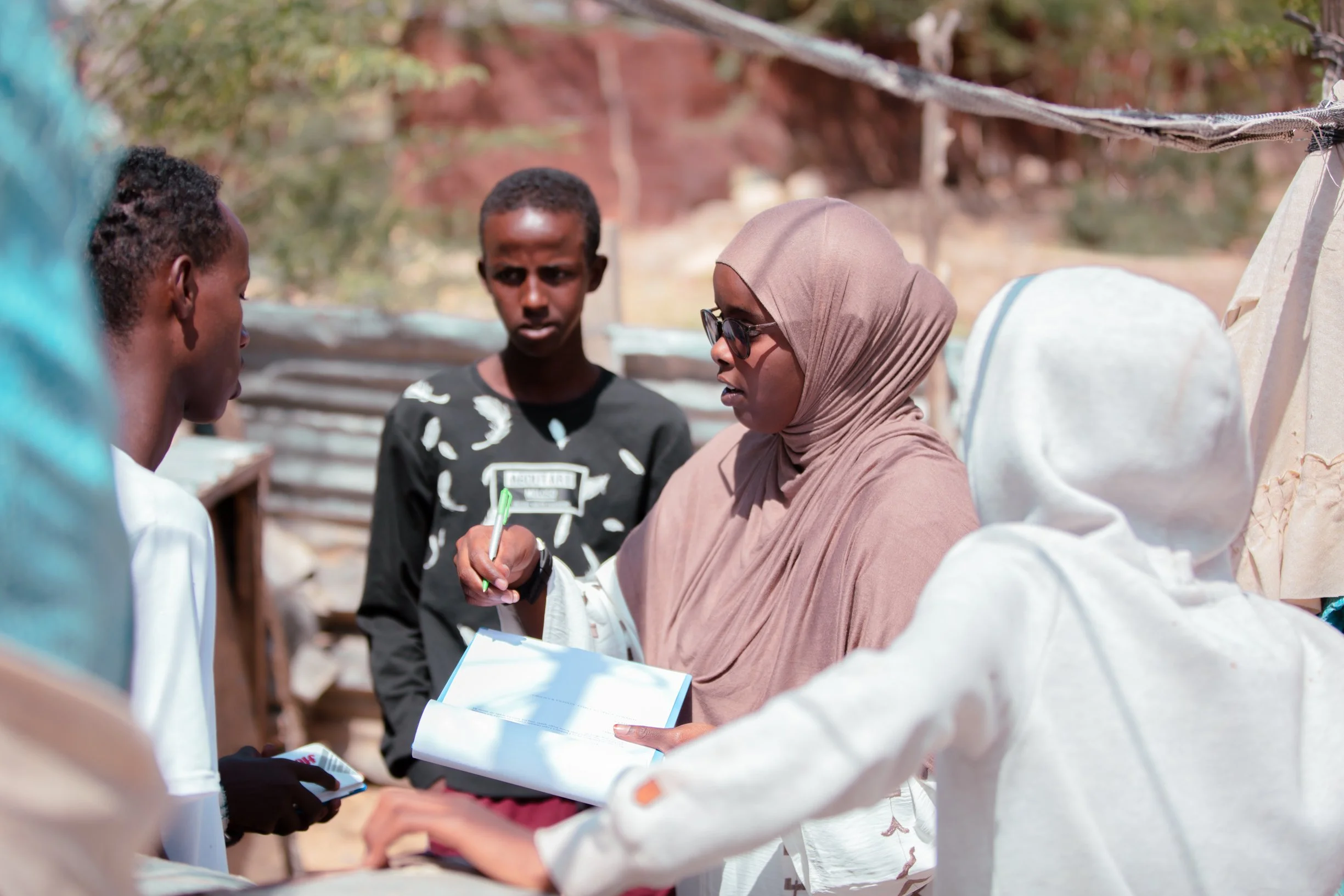
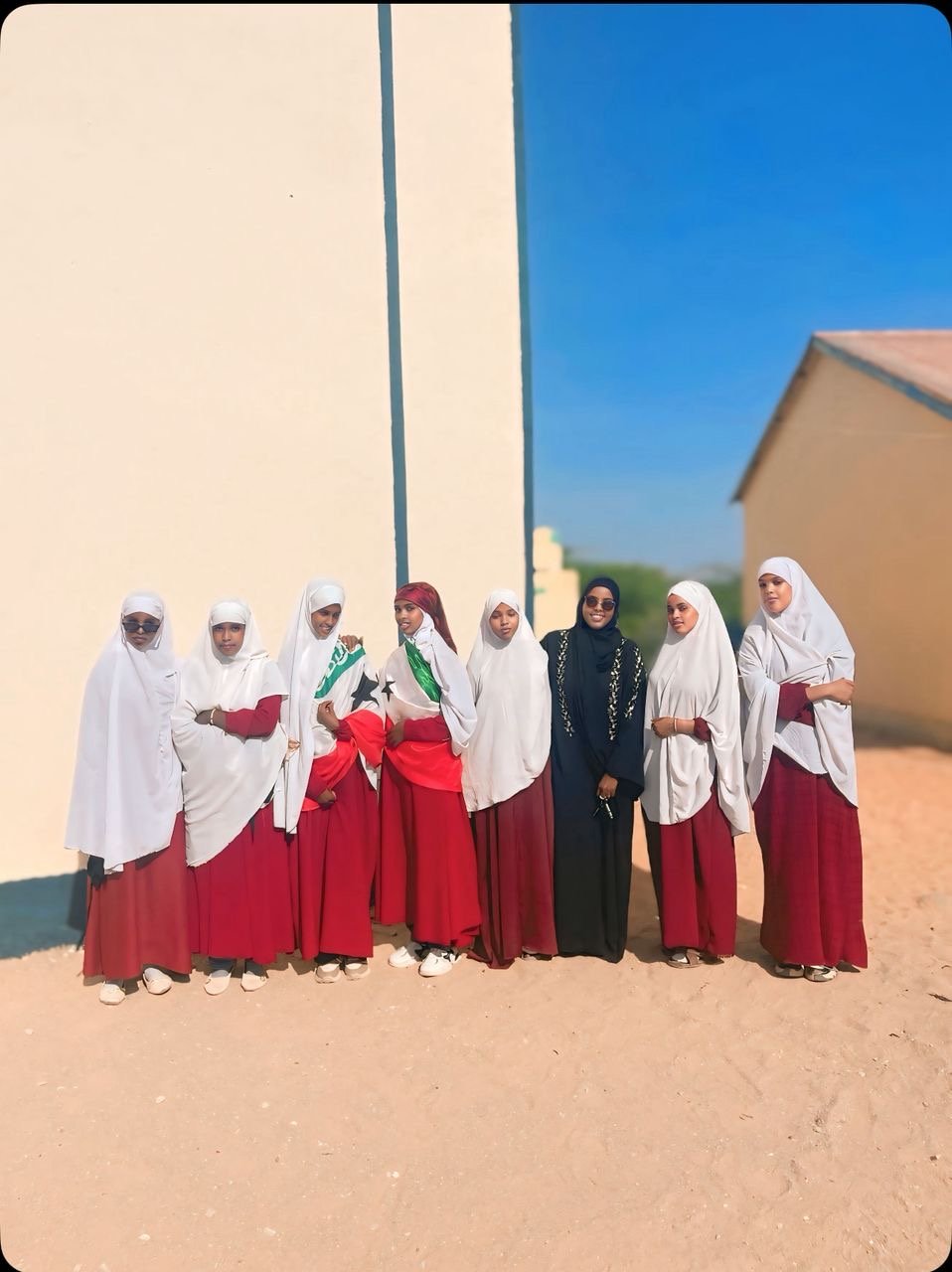
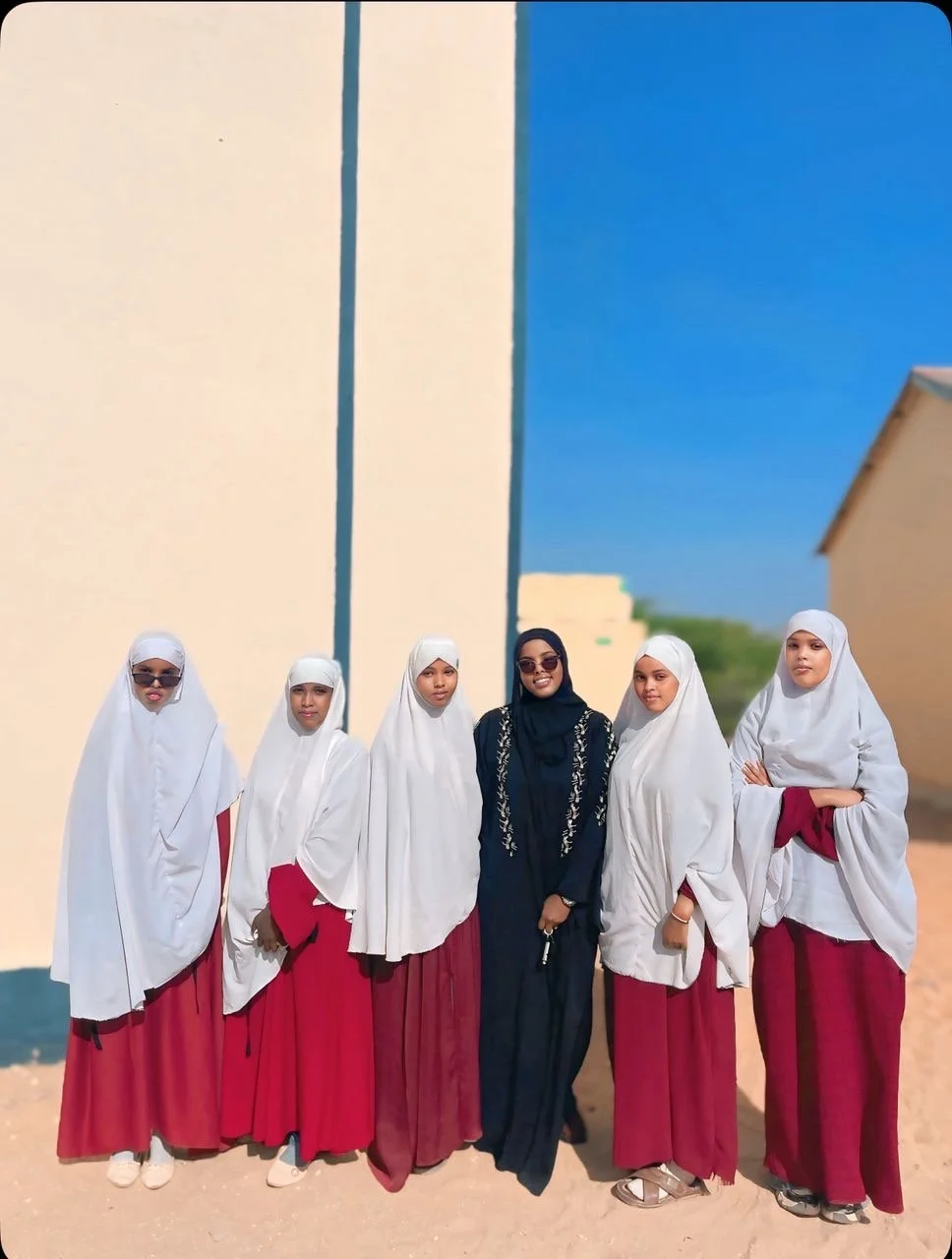
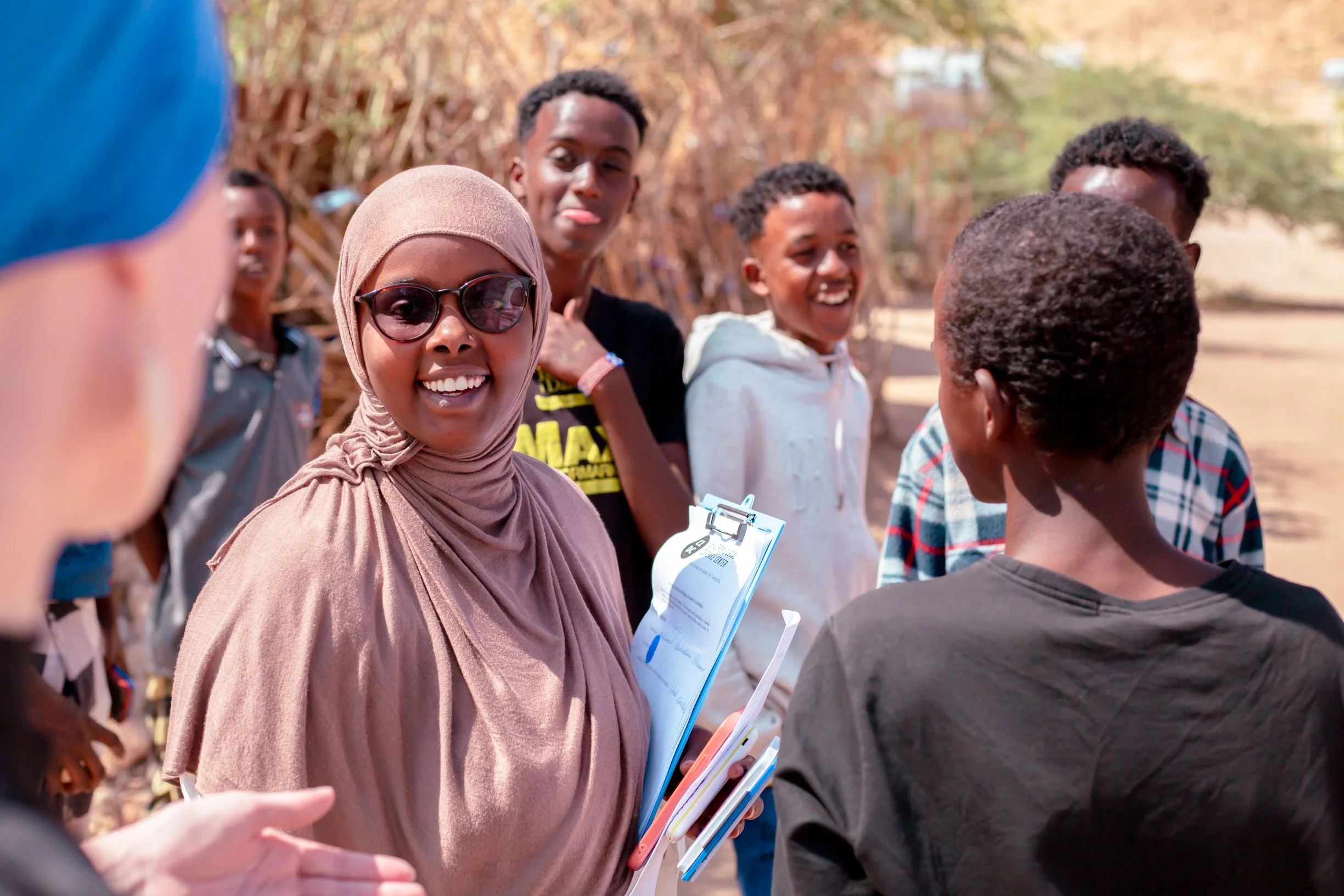
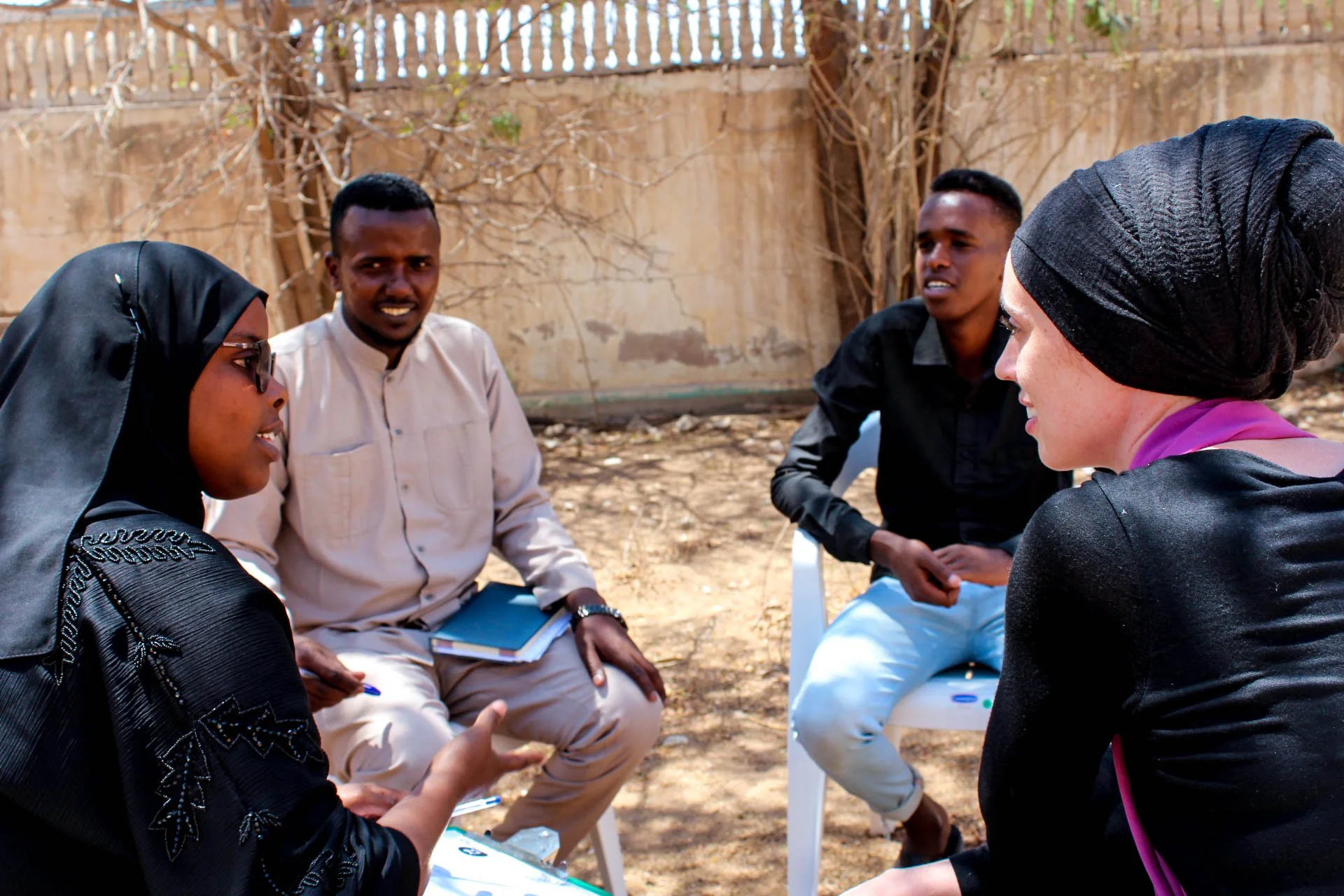
Caitlin Lambert is a human rights lawyer and co-founder of the Children's Legal Defense Center (CLDC) in Somaliland. With over a decade of experience in international law and criminal defense, she is committed to ensuring that marginalized children, particularly girls, have access to justice. Caitlin co-founded CLDC after witnessing firsthand how children in Somaliland's criminal justice system often face incarceration without legal support, leaving them vulnerable to unfair trials and harsh penalties.
Since its founding, CLDC has provided legal aid to over 2,600 children, securing the release of more than 1,600 and reducing sentences for hundreds more. The work is painstaking: because lawyers are generally not permitted to enter police stations or prisons in Somaliland, CLDC's team works through daily court engagement, identifying clients when detainees are brought before a judge and conducting interviews in holding cells to begin representation at the earliest possible stage.
With our $500 Giving Joy microgrant, CLDC built the foundation for a gender-focused legal defense unit, starting with direct representation for 10–15 imprisoned girls and young women whose cases involved gender-based discrimination, harmful social norms, and justice-system failures specific to girls.
The goal was both immediate and long-term — secure fairer outcomes for individual clients while developing the gender-responsive legal strategies, internal expertise, and documented evidence needed to make this work sustainable.
The need was far greater than anyone anticipated. Over the full six-month grant period, CLDC provided legal assistance not to 10–15 girls, but to 46 — ranging in age from 12 to 18. Cases included affray, theft, property damage, defamation, and trading in drugs or alcohol. One case alone involved 21 schoolgirls detained following a fight at school.
Because lawyers cannot access detention facilities directly, CLDC's lawyer met clients in court holding cells, conducting interviews, assessing cases, and beginning representation from the moment girls were brought before the court. From there, the team pursued every available avenue: bail applications, challenges to insufficient evidence, and — in many cases — facilitated customary agreements between defendants and alleged victims, which were then presented to the court as evidence that harm had been addressed.
Throughout, CLDC applied a deliberate gender-responsive lens. In cases involving girls charged with trading in alcohol or drugs, for example, the team presented the broader socioeconomic context — particularly girls' limited access to the formal economy and education — as a mitigating factor. The goal was not only to influence individual sentencing outcomes, but to shift how justice actors understand and respond to cases involving girls.
The Results
Of the 46 girls and young women represented over the full grant period:
38 were released from police or prison custody
4 had their sentences reduced
2 cases remained open at the close of the project, with representation ongoing
2 girls were lost to follow-up after intake, despite CLDC's efforts to maintain contact
42 of 46 girls supported through this project — over 91% — achieved a positive legal outcome: release from detention or a reduced sentence.
Beyond the numbers, this work is contributing to a measurable shift in how Somaliland's courts approach cases involving girls — one argument, one case, one precedent at a time.
One Case, Beyond the Courtroom: Hayaad's Story
Not every case ended at the courtroom door. Hayaad, a 14-year-old Ethiopian girl, had travelled alone to Somaliland seeking work. Instead, she was arrested, detained, and left stranded while pregnant and far from her family. CLDC secured her release through legal representation, but afterward, neither government authorities nor international agencies were able to help her get home.
Recognizing that a legal win wasn't enough to keep Hayaad safe, CLDC arranged her transportation, provided food for the journey, and made sure she was safely reunited with her family in Ethiopia. Her case is a reminder that for CLDC, justice for a vulnerable girl doesn't end when a courtroom does.
The Impact
For the girls themselves, legal representation meant the difference between prolonged detention and going home. For their families, it meant stability. For CLDC as an organization, the grant has been transformational — generating the evidence, expertise, and institutional knowledge needed to make the case for a permanent, dedicated gender-focused legal defense unit. And for Somaliland's justice system, CLDC's advocacy is slowly but meaningfully broadening how courts understand the circumstances that bring girls into conflict with the law.
The scale of need has continued well past the life of the grant. In July 2026 alone, after the grant’s official close, CLDC identified 7 additional girls and young women requiring legal representation, further evidence that this is not a temporary gap but an ongoing, unmet need in Somaliland's justice system.
Lessons Learned
The clearest lesson from this pilot is one of scale: a project designed for 10–15 beneficiaries ultimately served 46, and new cases have kept arriving even after the grant period ended. CLDC also learned that girls tend to enter the justice system through different pathways than boys, often linked to poverty, gender inequality, and exclusion from the formal economy — reinforcing the value of a gender-responsive defense strategy. Hayaad's case underscored a further lesson: legal representation alone doesn't always resolve a girl's underlying vulnerability, and CLDC now sees protection support, not just legal defense, as part of the model. Losing contact with two clients after intake also prompted CLDC to strengthen its follow-up procedures, including identifying trusted family or community contacts, while still protecting each client's privacy and safety.
Looking Ahead
CLDC will continue representing its two remaining open cases through to conclusion, alongside the seven new cases identified in July. The organization is using the evidence and experience from this pilot to pursue additional funding and partnerships, with the goal of transforming this project into a sustainable, permanent gender justice program — one that pairs legal defense with the kind of practical, on-the-ground protection support that Hayaad's case showed can be just as critical.