
Susanna Simango & Village Solar
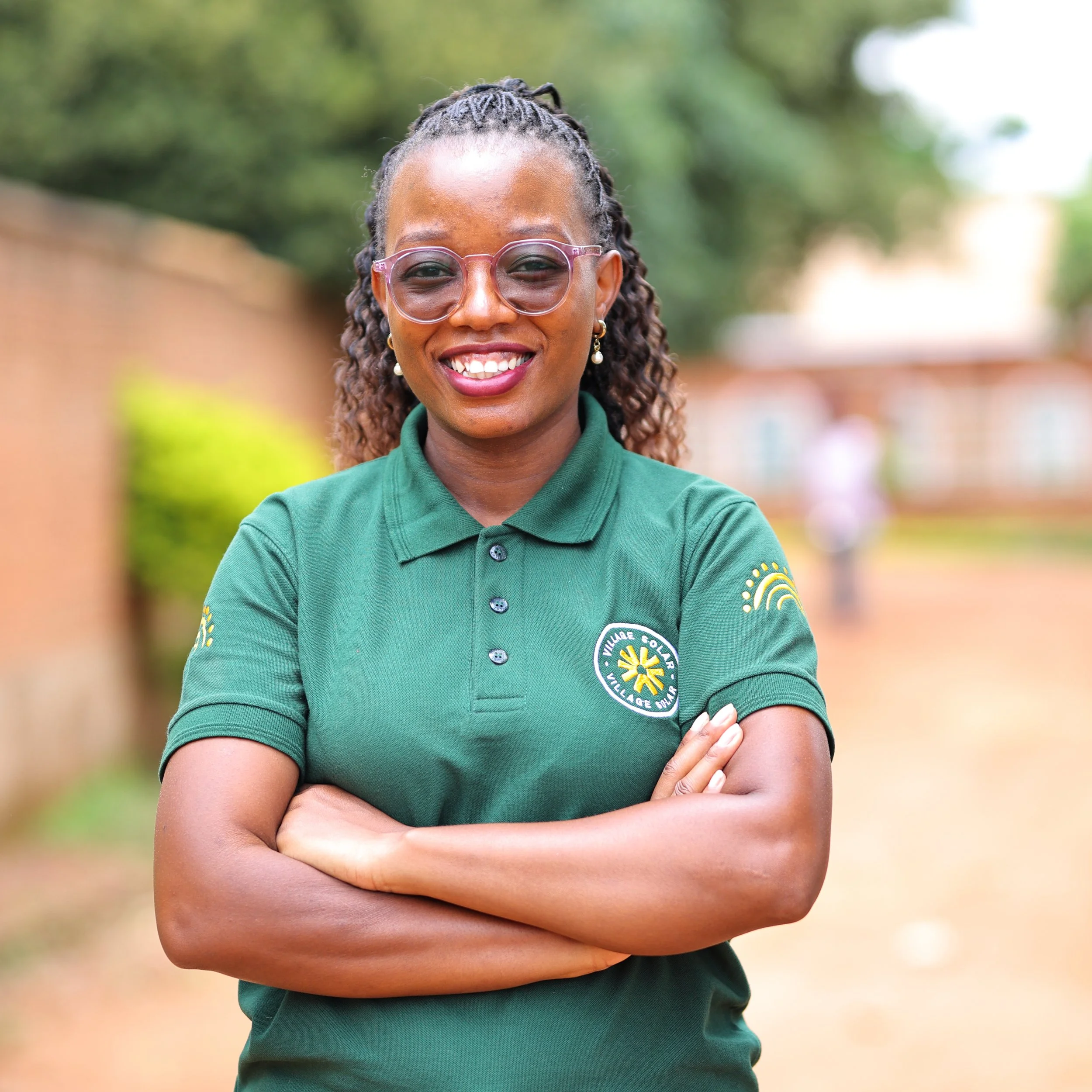
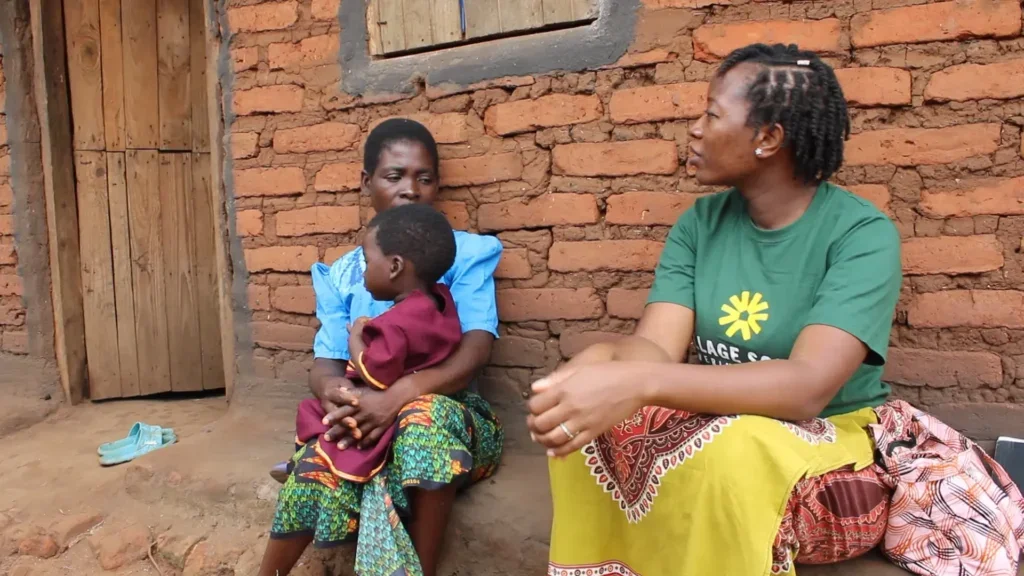

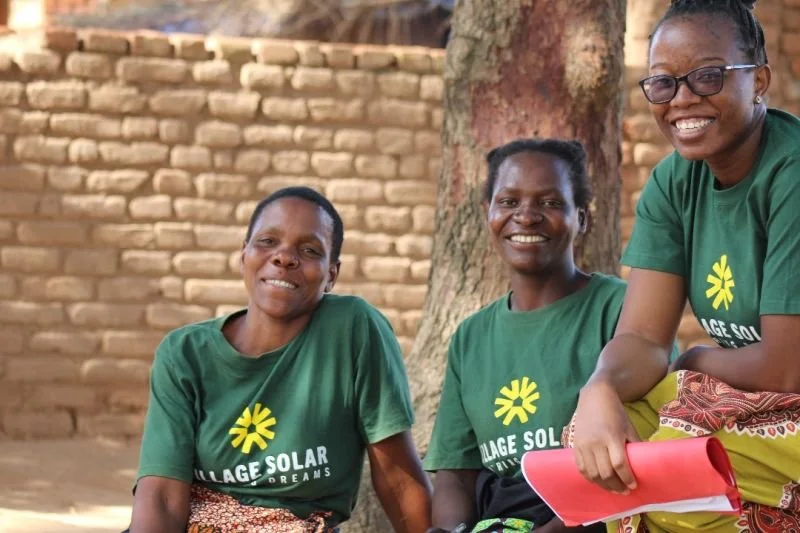
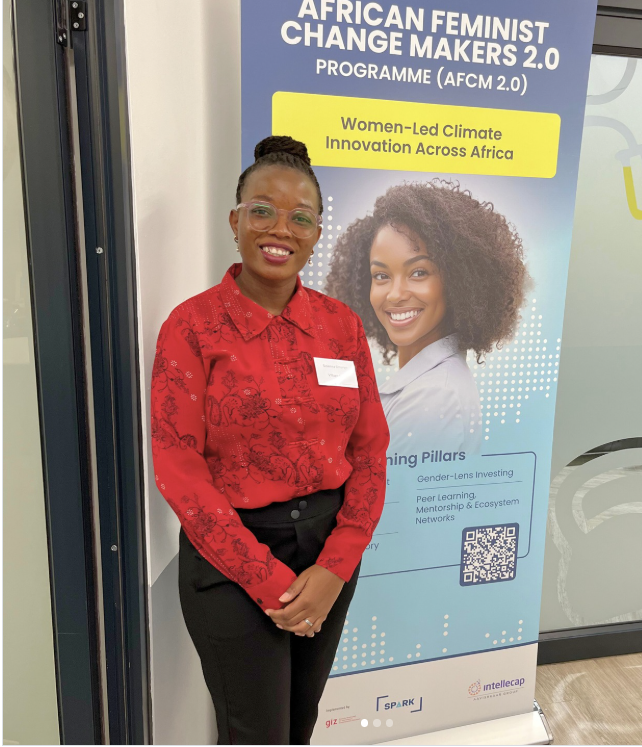
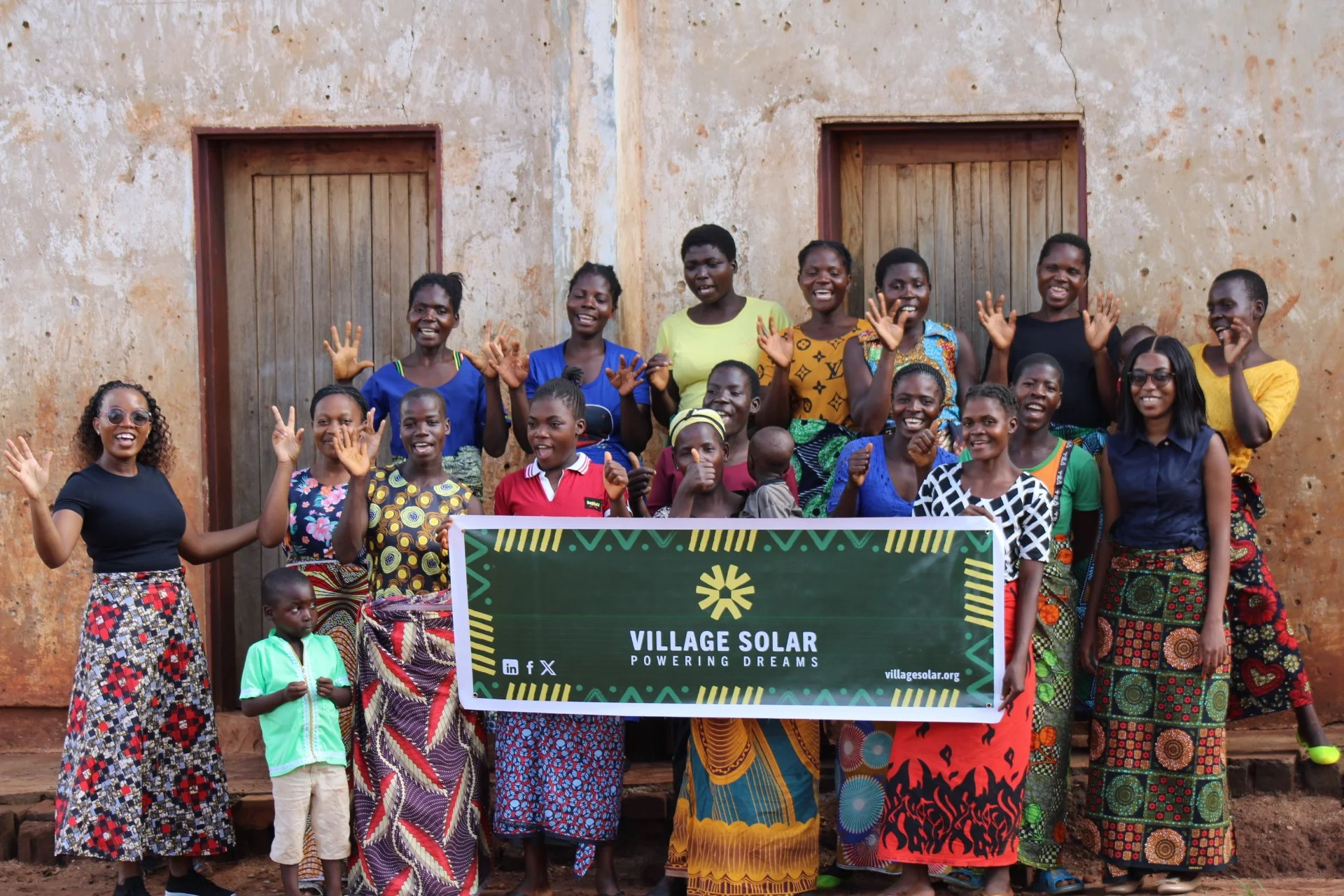
Susanna Simango is the co-founder of Village Solar, a social enterprise launched in 2023 to expand clean energy access while creating income opportunities for rural women in Malawi. Working through Village Savings and Loan Associations, Village Solar provides solar lamps and home systems, group-based financing, and business support so women can become independent sales agents. Since launching, the initiative has trained 45 women who have distributed more than 800 solar lamps and home systems, reaching 4,000 people with clean, affordable energy and reducing reliance on kerosene.
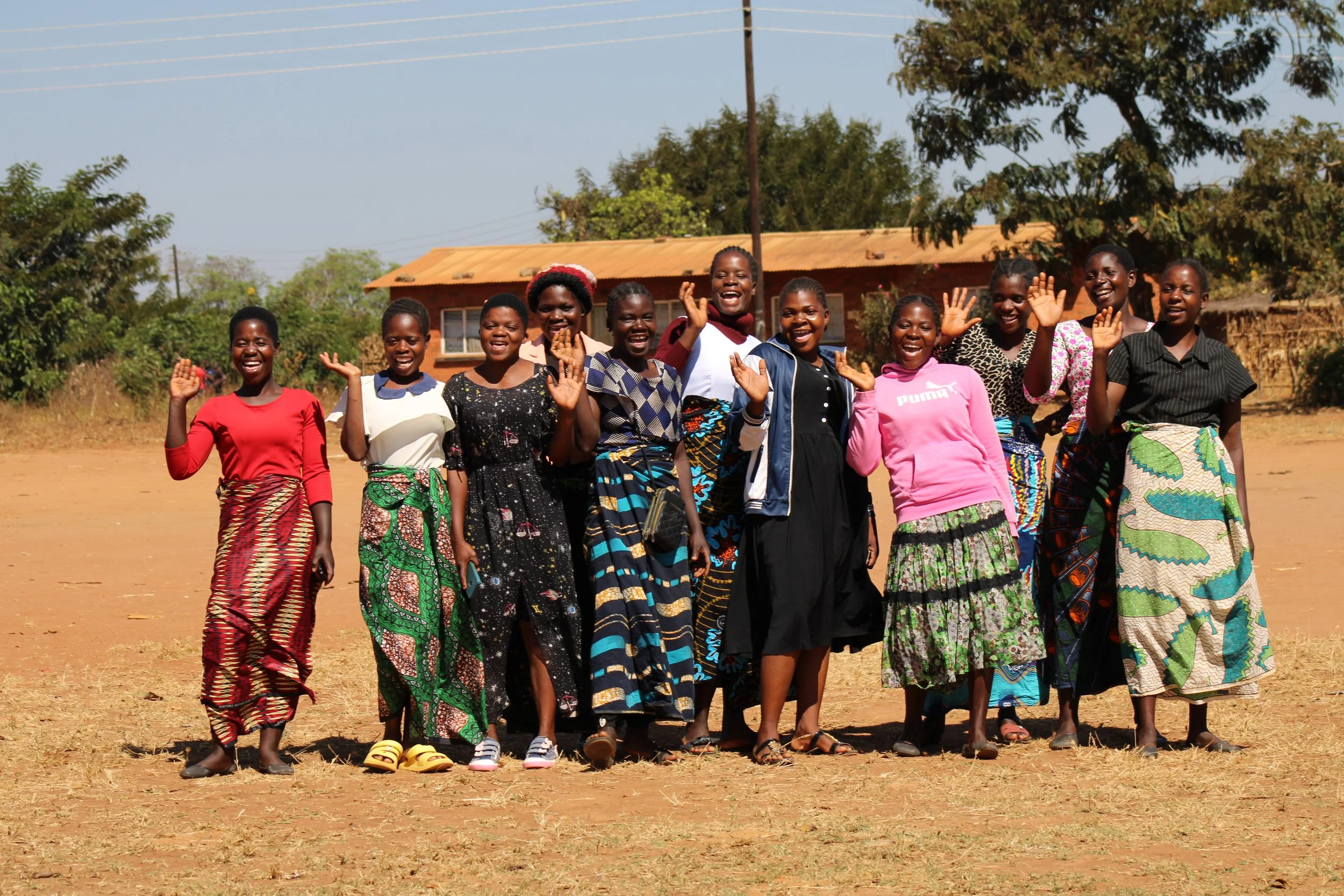
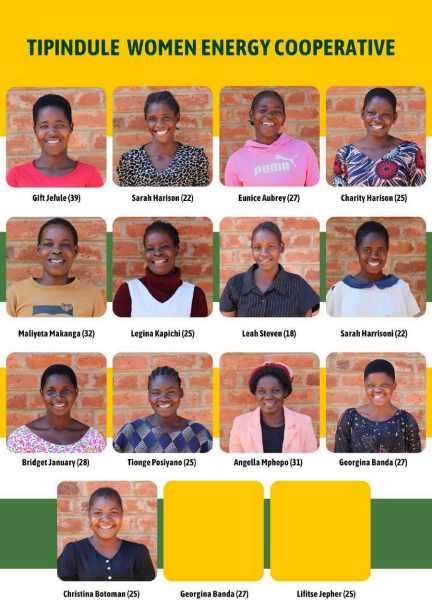
In 2024, Malawi’s foreign currency crisis exposed the country’s dependence on imported solar products. In response, Village Solar created Kwathu Kuwale (“Let My Village Have Light”), an initiative to locally produce solar lamps using bamboo. Through this program, 15 women from Chimwaza Village will form Malawi’s first women-led energy cooperative, jointly owning and managing a solar workshop and leading the shift toward locally made, sustainable energy solutions.
Since receiving a Giving Joy microgrant, Susanna Simango and the Village Solar team have continued to advance the Kwathu Kuwale Project, an initiative to help rural women in Malawi build livelihoods through clean energy production.
Following severe flooding during the 2025–2026 rainy season, the project relocated from Chimwaza Village to Mtalipobwera Village in the M’bwatalika area of Lilongwe District. Although the move created additional construction and security costs, the team has continued to make steady progress toward establishing a women-led energy cooperative and a local solar lamp manufacturing enterprise.
Empowering women through business training
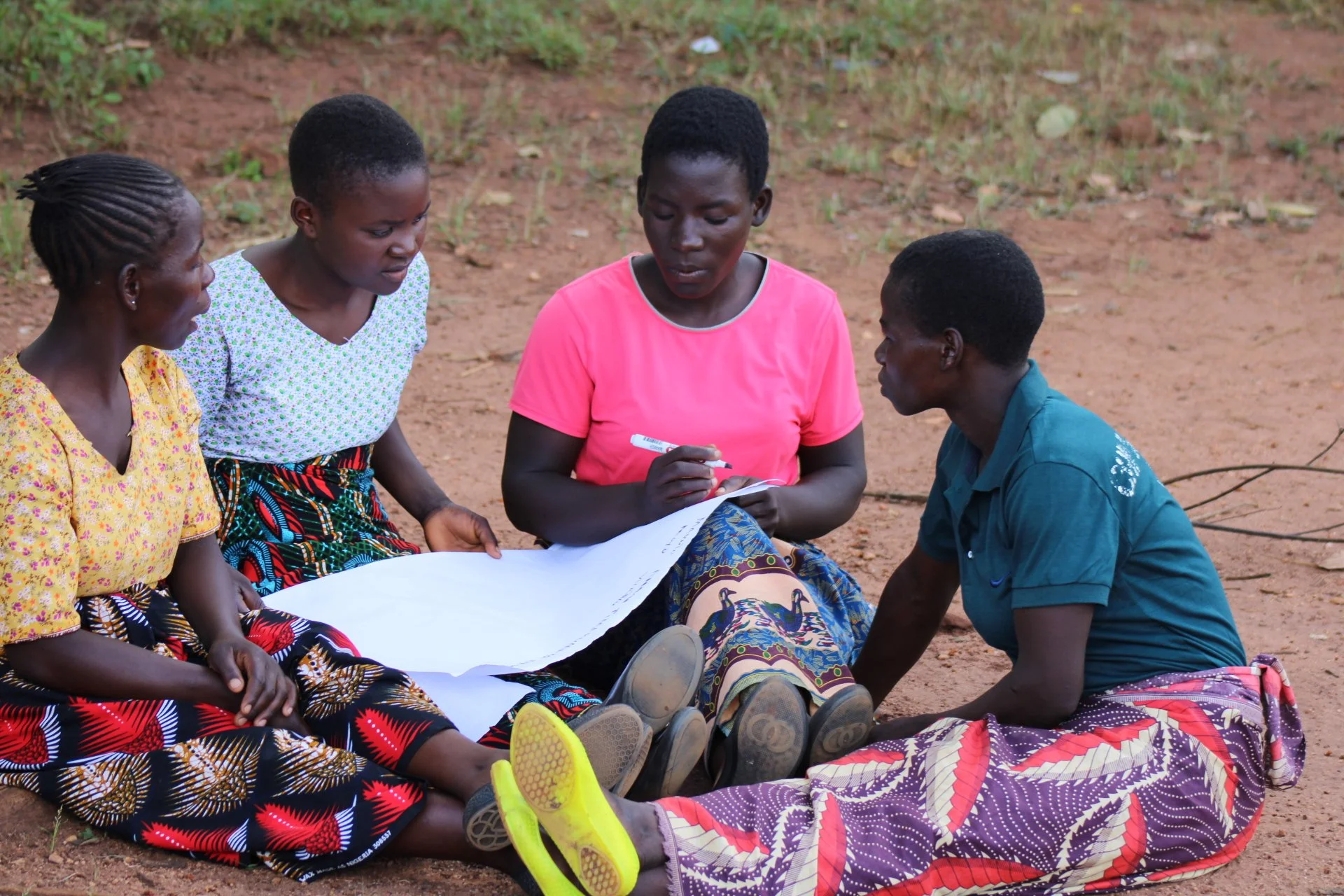
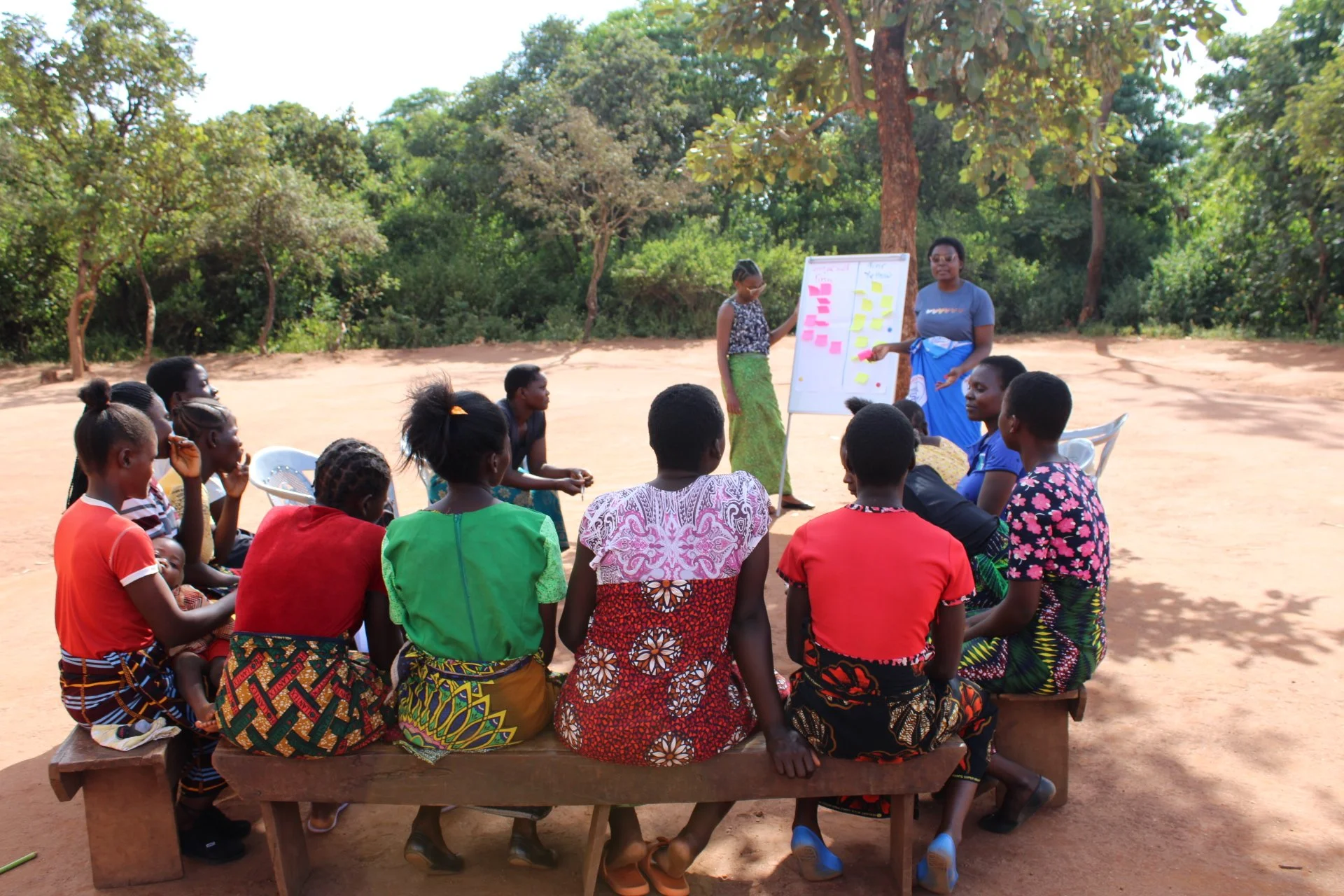
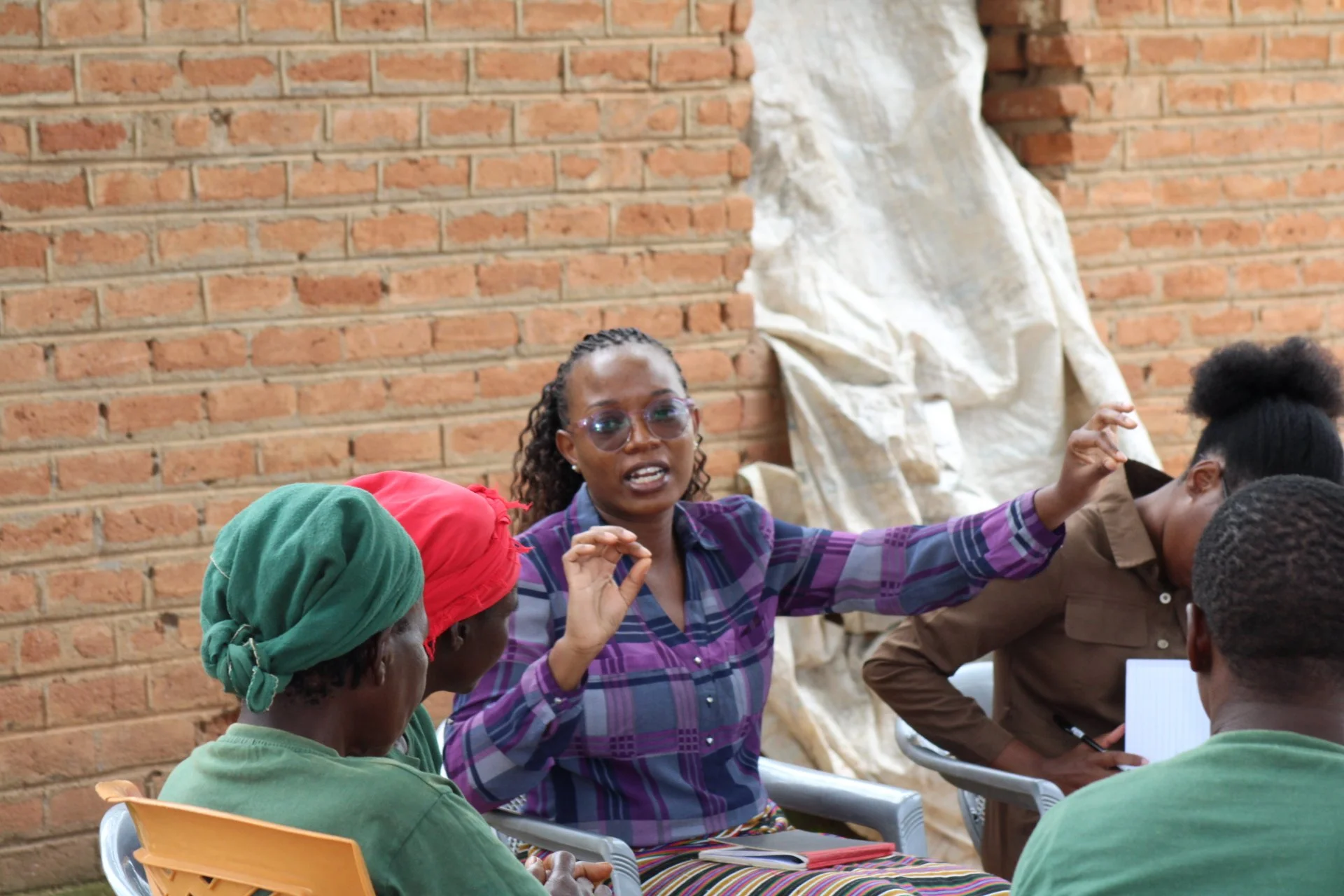
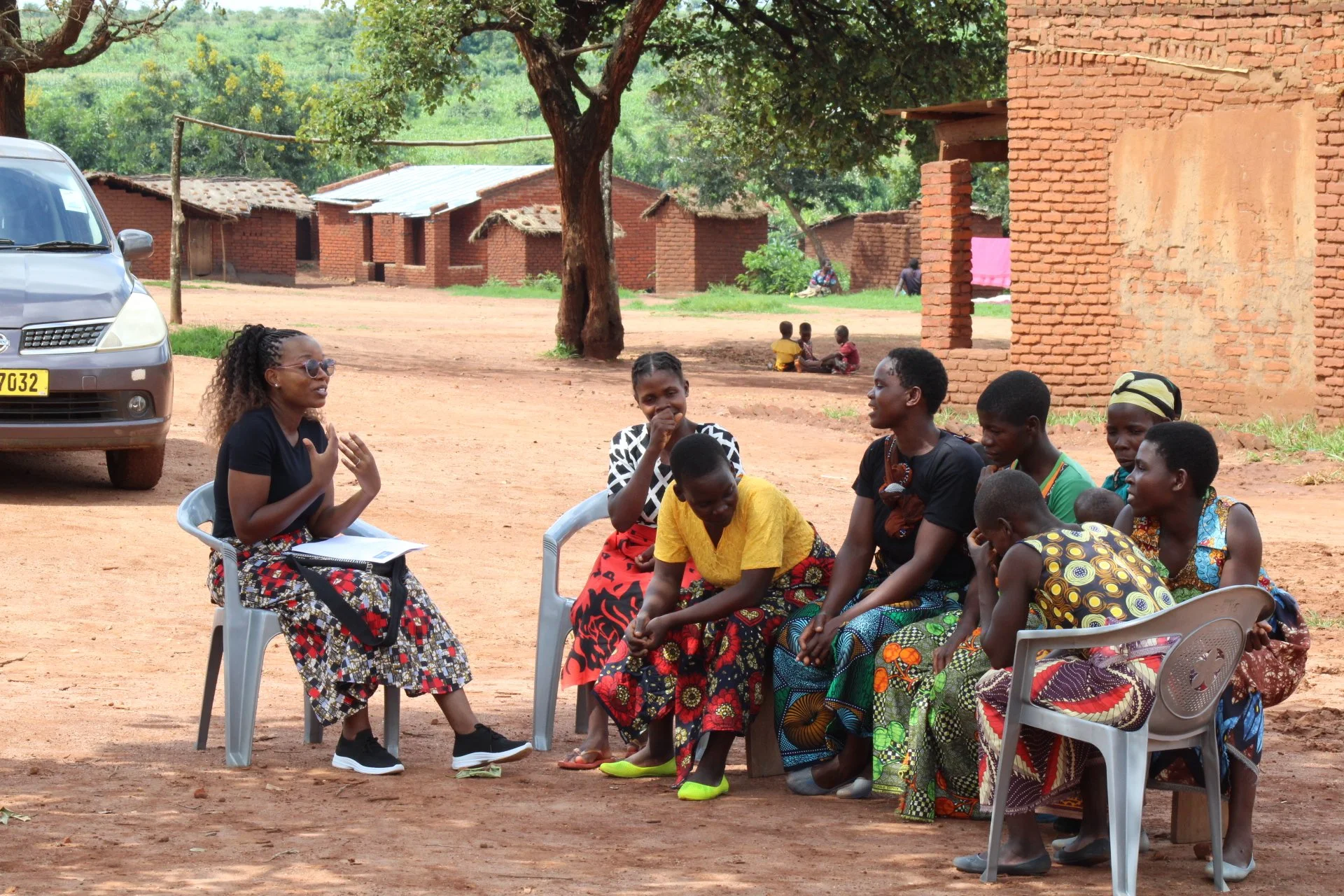
Fifteen women have begun training to prepare them to manage their own energy cooperative and work together in a bamboo solar enterprise. Between July and September 2026, they participated in 26 training sessions, totaling approximately 52 hours.
Led by Village Solar’s Enterprise Development Associate, Peace Katemba, and community development volunteer Latoya Khondowe, the sessions cover women’s empowerment, financial literacy, record keeping, conflict management, and marketing. The women are developing practical skills to manage money, attract customers, resolve disagreements, and participate more confidently in business and leadership.
While the workshop is being completed, training has continued at nearby Mawelo and Tsauzana primary schools. Further sessions will cover business planning, pricing, savings, financial management, customer service, and gender roles in household decision-making. The women will then progress to hands-on technical training in assembling solar lamps.
Building the infrastructure for a sustainable enterprise
Workshop construction is now in its finishing stage, with the floor, windows, doors, and final finishes still to be completed. The revised target for completion is the end of December 2026.
The team has also made important progress on the infrastructure needed to operate the facility. A 52-metre borehole has been drilled, and a solar-powered pump now supplies water for construction. The new system replaces the costly and time-consuming process of transporting water by hand and will provide running water for the workshop once it opens.
To protect the site and its equipment, construction of a permanent brick perimeter fence has begun. Approximately 104 metres of the 440-metre boundary have been enclosed. A temporary wire fence and entrance gate are planned to secure the remaining area and allow the main solar power system to be installed. The permanent brick fence will be extended after the rainy season, with locally produced bricks helping to reduce transport costs and create employment.
Creating opportunities that reach beyond the women themselves
The project currently has 24 direct beneficiaries: the 15 women enrolled in the training programme and nine local workers employed in construction. Another 31 family members benefit indirectly from the income and training opportunities the project creates.
Despite delays caused by relocation, water access challenges, and additional security requirements, the project continues to move forward. The next priorities are to complete the workshop, secure the site, install the main solar system, and begin technical training in solar lamp assembly.
The long-term vision remains the same: to equip rural women with the skills, infrastructure, and collective ownership needed to produce solar lamps locally, generate income, and expand access to clean, affordable energy in their communities.
Giving Joy is proud to support Susanna Simango and the Village Solar team as they work toward a brighter, more sustainable future for women and families in Malawi.