
Community Development for All (CODEFA)

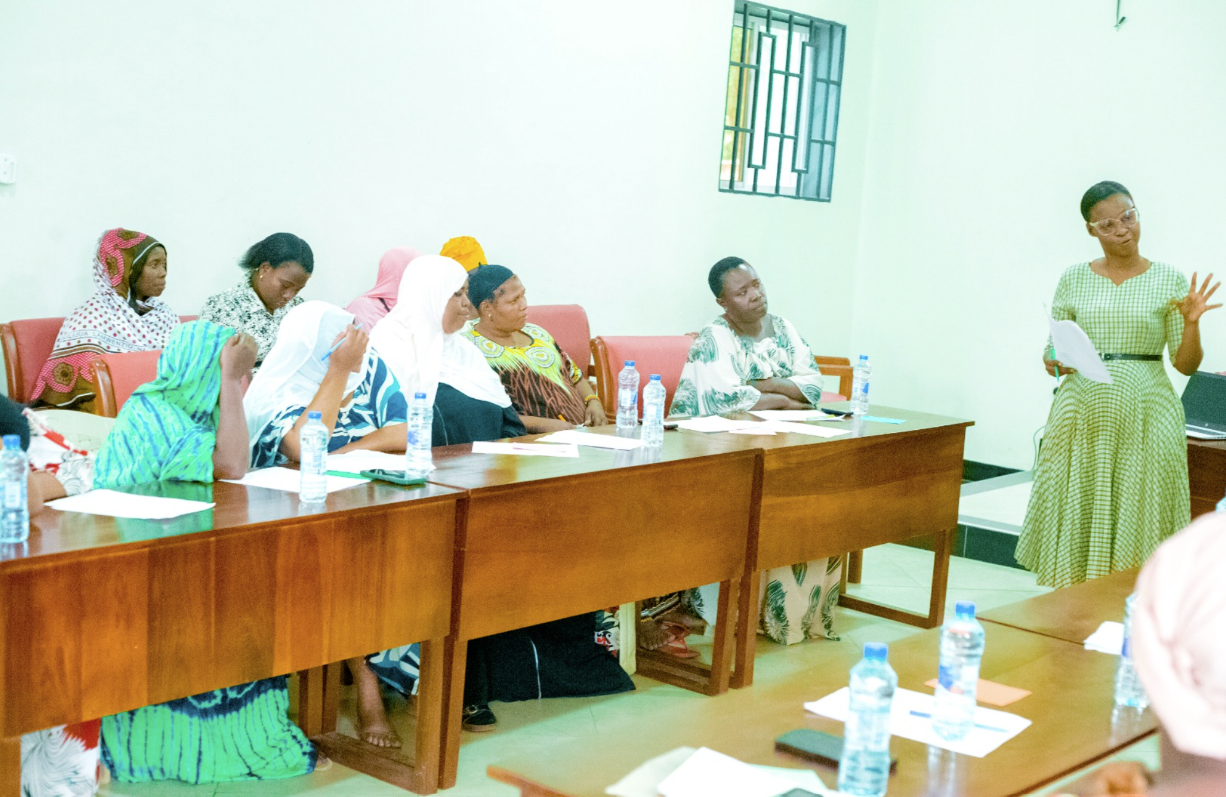
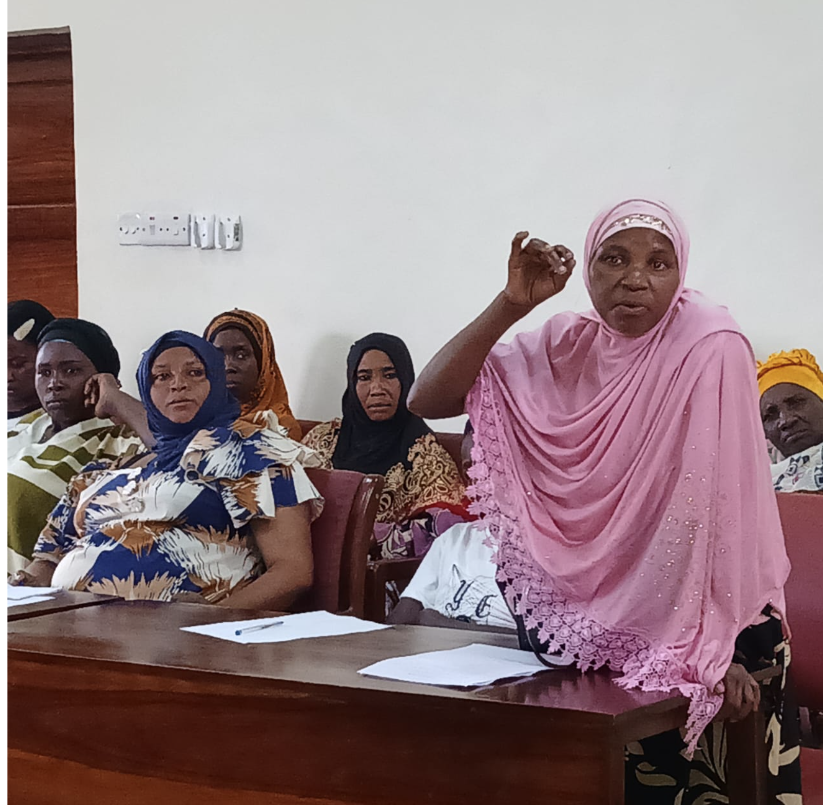
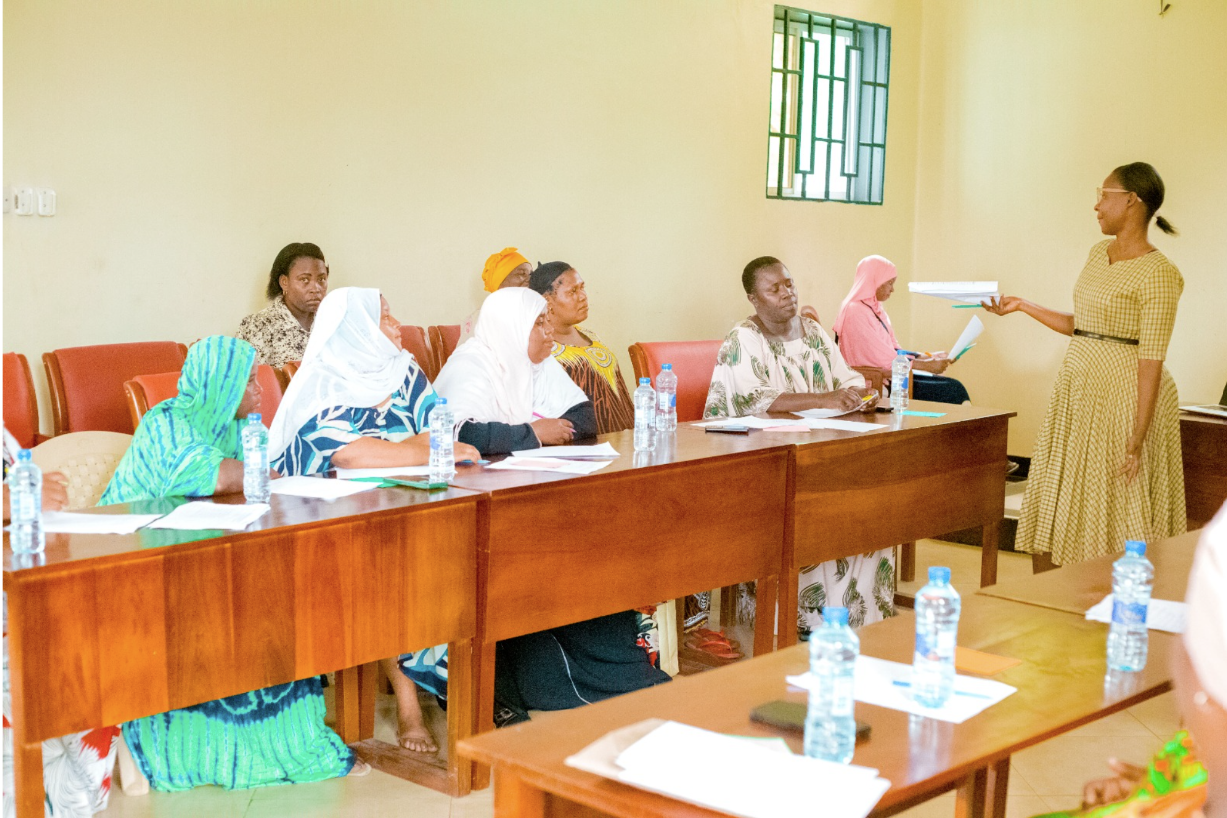
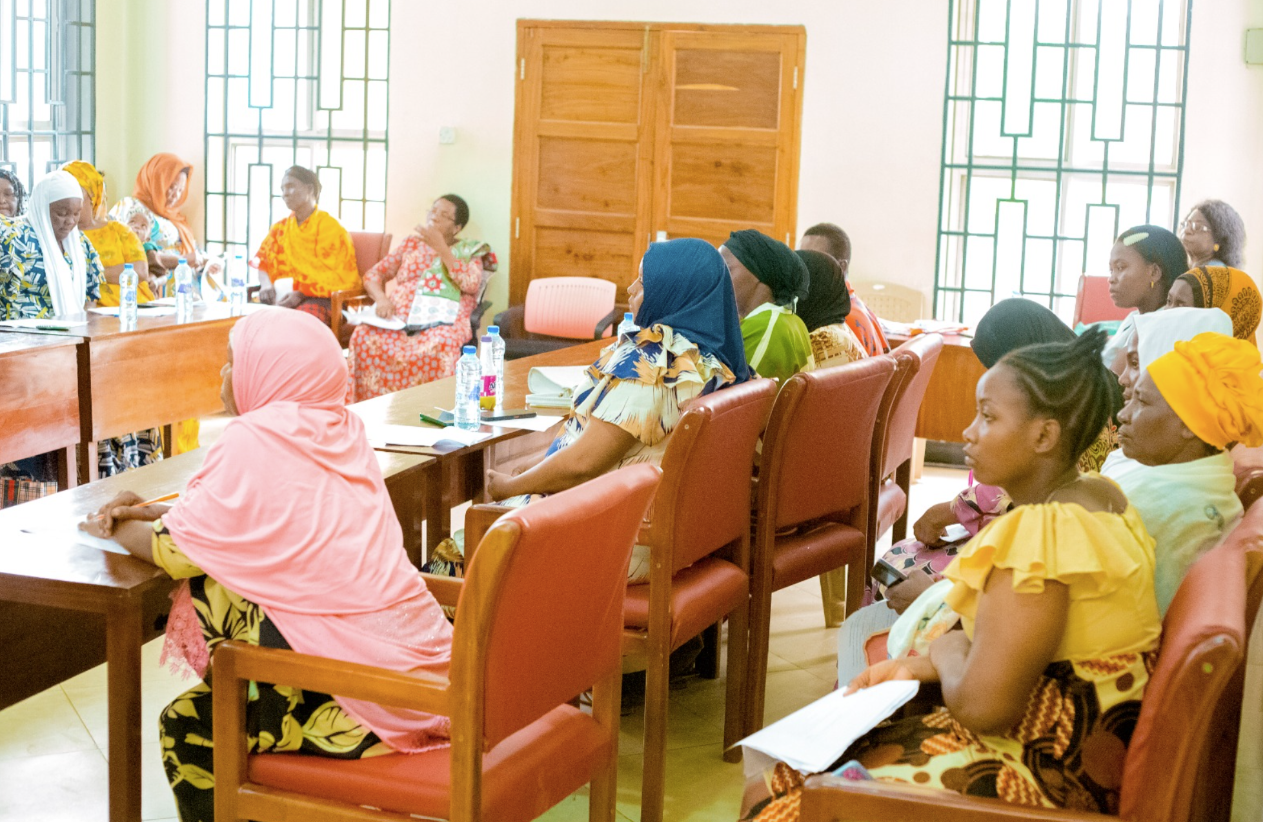
Community Development for All (CODEFA), led by Executive Director Ruth Bethuel Mleba, is a Tanzanian women-led organization dedicated to empowering women and young mothers in underserved communities. Through entrepreneurship training, financial literacy, and business development support, CODEFA equips women with the practical skills they need to manage and grow sustainable businesses — improving family wellbeing and strengthening local economies across Tanzania.
With a $500 microgrant from Giving Joy, CODEFA set out to deliver a hands-on financial literacy and taxation training program for 30 women entrepreneurs. The goal: give women the practical knowledge to confidently manage their businesses, transition from informal to formal operations, and access financial services like credit and insurance. Specific focus areas included tax compliance, bookkeeping, savings, responsible borrowing, and understanding government procurement opportunities.
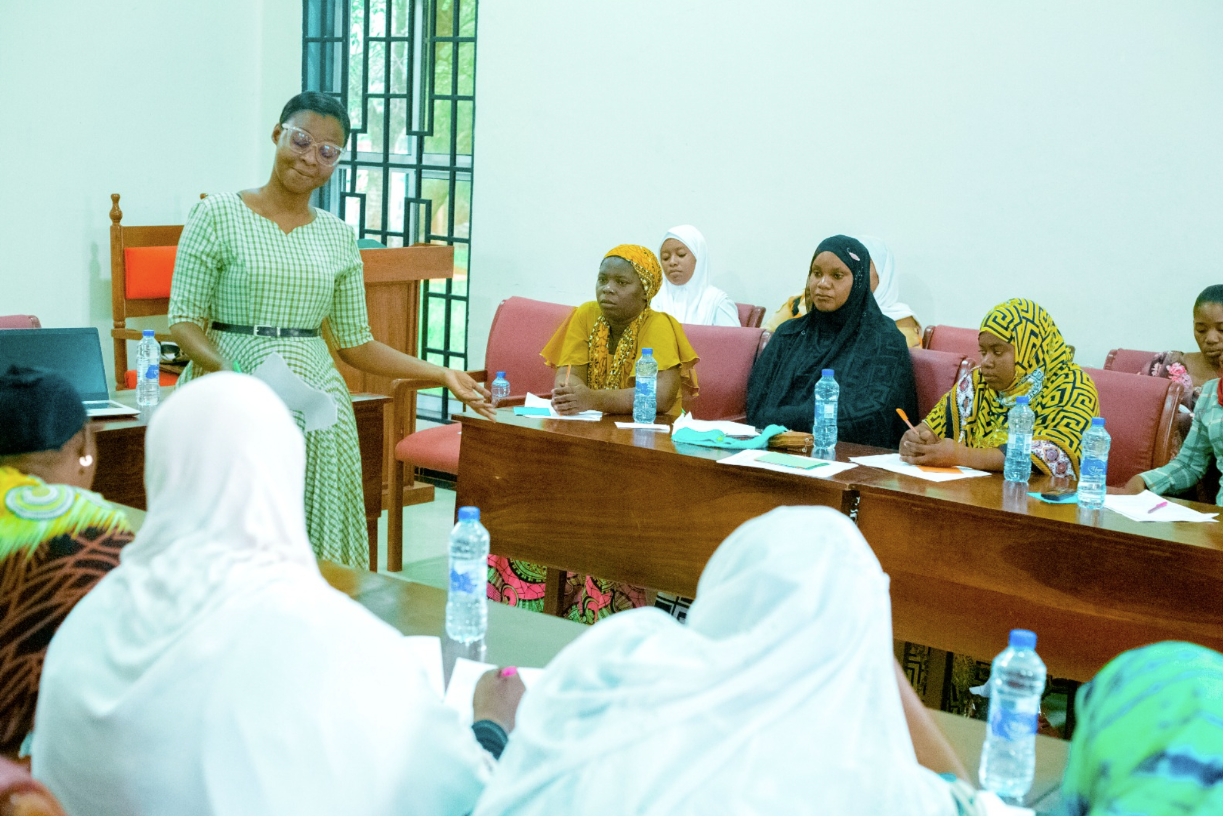
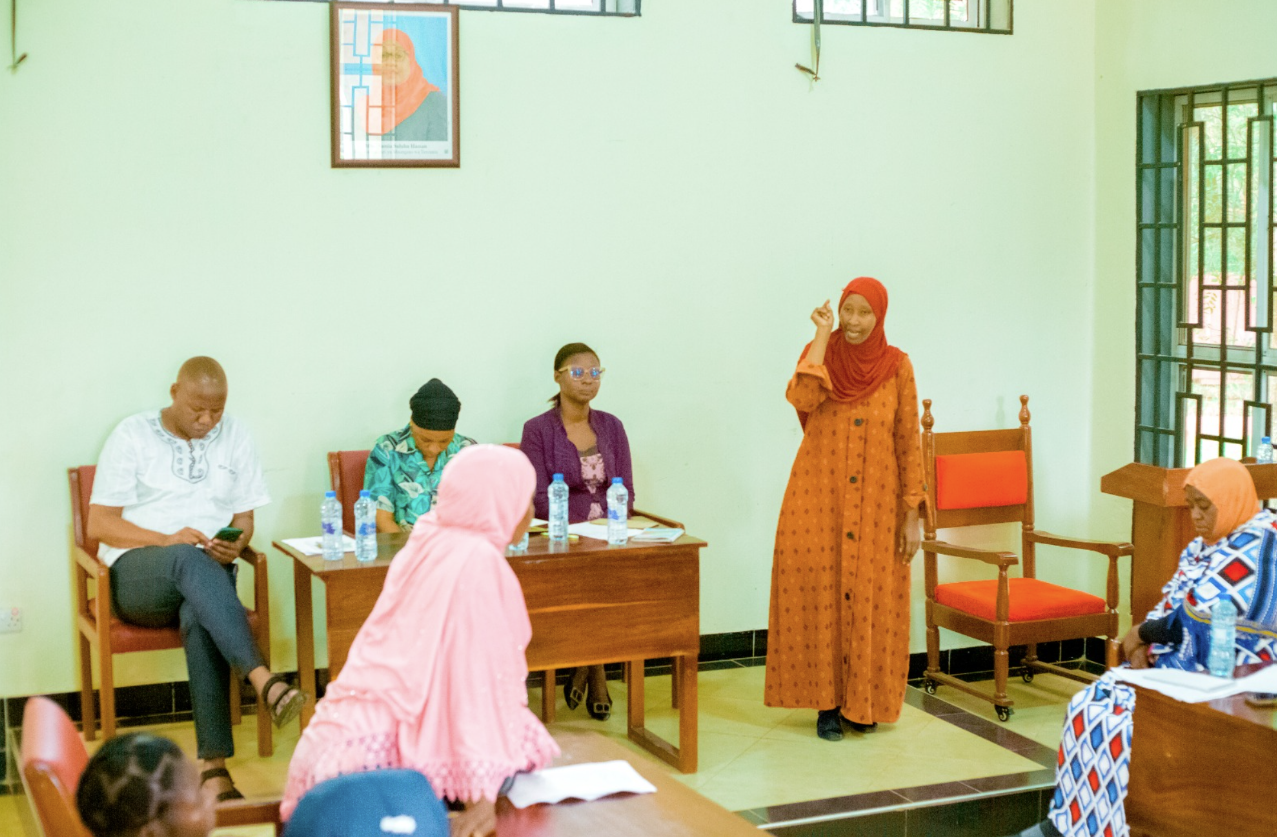
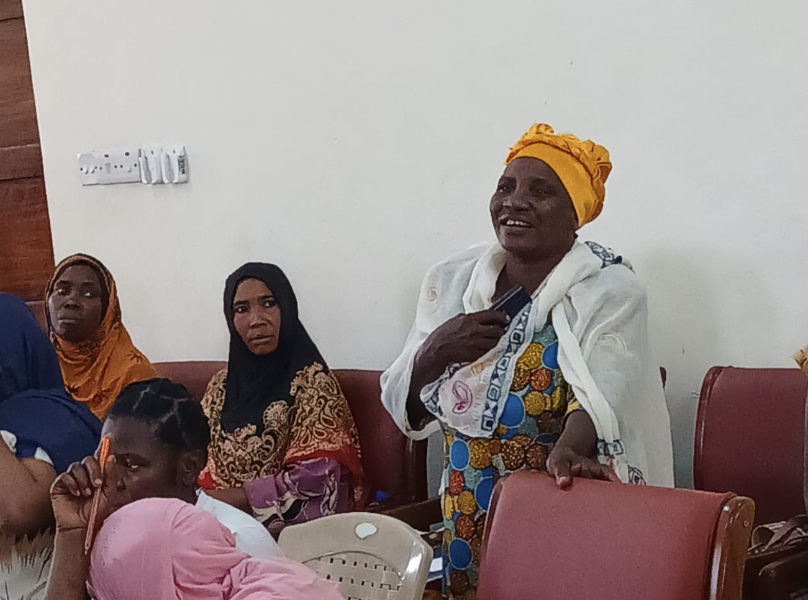
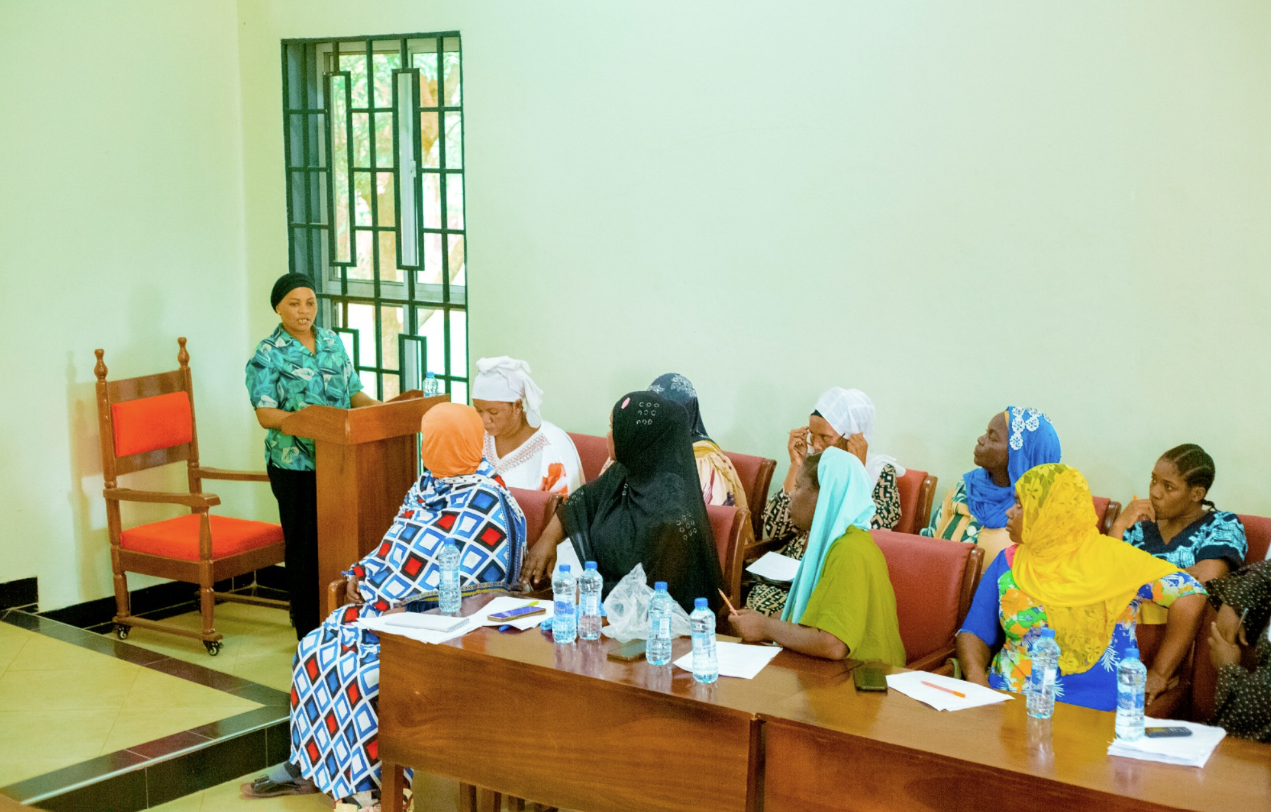
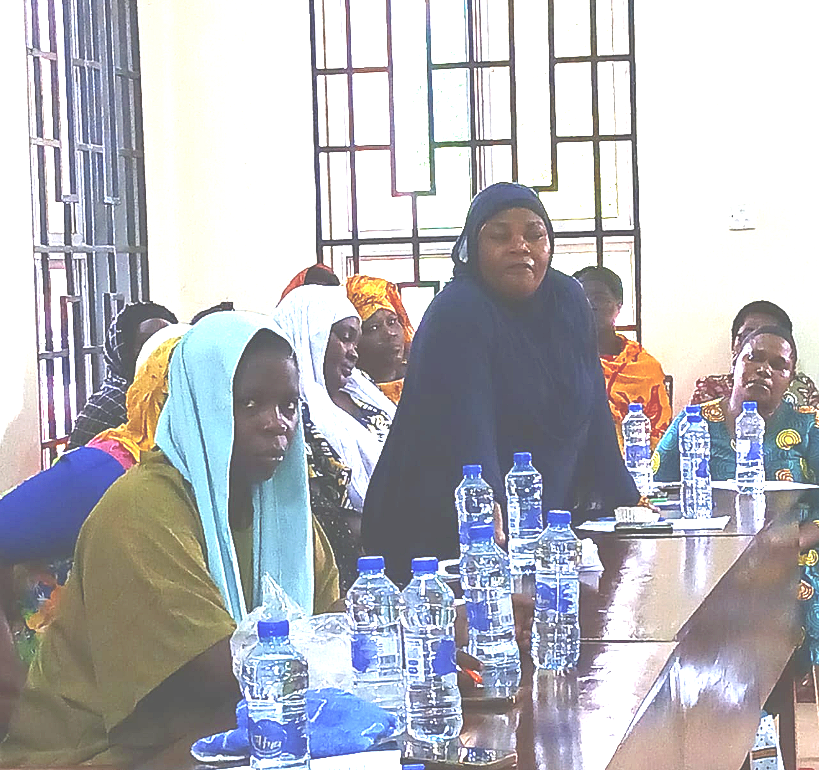
CODEFA brought together 31 women entrepreneurs for an intensive multi-day program. Participants first engaged in interactive sessions covering gender roles in business, the unique challenges women face as entrepreneurs, the importance of gender equality, and practical lessons in tax compliance and budgeting. Women had space to share personal experiences — reflecting openly on how family responsibilities and limited access to finance shape their businesses.
CODEFA also invited officials from the Tanzania Revenue Authority, the Community Development Office, the Corruption Bureau, and the Trade, Investment & Industry Office to speak directly with participants. These government representatives answered questions, clarified misconceptions about registration and taxation, and reinforced the importance of compliance and transparency. The direct access to officials was a program highlight — building trust between informal entrepreneurs and formal institutions in a way that a lecture alone never could.
Starting Point: What the Baseline Showed
Before training began, CODEFA assessed the 25 women operating informal businesses in the cohort — and the gap was stark. None could explain what tax was, and only one recognized why business registration mattered. None knew the correct timing for tax payments, and almost none understood the difference between a formal and informal business. Just two participants understood the basic concept of costs and profits, and only one had ever heard the term "business budget." Seven kept any record of income and expenses; not a single participant stored receipts or business documents, and none had any record-keeping system in place. It was a genuine starting-from-zero baseline — which makes what came next all the more significant.
The Results Are In
Post-training evaluations show real, measurable movement. Two-thirds of participants (67%) reported a strong or very strong understanding of the material by the end of the sessions. On the specific topics that mattered most — tax obligations, budgeting, and record-keeping — the majority of women rated their understanding as strong: most participants said they understood tax obligations and business budgeting either well or very well, and all 30 acknowledged the importance of keeping business records, a dramatic shift from the near-total absence of record-keeping practices at baseline.
Participants didn't just learn — they committed to act. Thirty women each pledged to prepare monthly business budgets, separate business funds from personal expenses, and keep accurate financial records. Nineteen said they intend to formalize their businesses by registering and obtaining identification cards. Asked what support they still need, the top request — from 13 participants — was continued business coaching and mentorship, followed by a request from 8 for further tax training, showing that this program's impact will depend on continued follow-through.
Mentorship in Practice
CODEFA didn't stop at the training room door. In the months following, dedicated mentorship and follow-up support turned intentions into outcomes:
6 women obtained Informal Sector Identity Cards, giving them formal government recognition and access to future support programs, while another 12 committed to formalizing as their businesses grow.
1 participant secured a government loan after sustained follow-up — a loan that, in practice, benefits a wider group of women who work alongside her.
7 women diversified their businesses, moving from a single income source to multiple revenue streams. One entrepreneur expanded from selling drinking water to also selling baobab fruit snacks; another moved from sewing and clothing design into selling phone accessories. "Mama Uji," who sells porridge each morning to street vendors and her community, used her new Informal Business Identity Card to expand into buying and reselling bar soap wholesale — she's now hoping to secure a bicycle to reach customers further afield.
All formal businesses in the cohort reported full compliance with tax laws following the training. When one formal business was found non-compliant, CODEFA identified the issue, reported it to the Tanzania Revenue Authority, and supported the business through corrective action and a resulting penalty — a real-world test that reinforced the value of the compliance mentorship. Mama Juliana Shilinde, who runs a catering business, worked through this exact process with CODEFA's support.
Record-keeping saw the most dramatic turnaround of all. Every participant demonstrated a new commitment to tracking daily income and expenses, preparing simple budgets, and separating business from personal finances — a striking change from a baseline where almost no informal entrepreneur kept any records at all.
The Impact
The ripple effects of this training extend well beyond the 31 women in the room. Their families, an estimated 155 individuals, stand to benefit from improved household income and financial stability. And through participants' businesses, an estimated 200 or more customers benefit from improved services and more compliant, sustainable operations.
At the organizational level, the program strengthened CODEFA's reputation and deepened its partnerships with government institutions, positioning it as a trusted bridge between informal entrepreneurs and the formal economy. At the community level, the training advanced gender equality and economic transparency — moving women closer to financial independence and meaningful participation in local economic development.
Looking Ahead
CODEFA plans to build on this foundation with follow-up mentorship sessions on record-keeping, budgeting, and compliance. Future programming will include more hands-on exercises, such as completing sample tax forms and drafting real budgets, and continuous monitoring to track participant progress over time. Participants themselves have pointed to what comes next: industrial product development and manufacturing skills, deeper tax training, and loan and financial guidance were the areas of continued training most requested. CODEFA is also working toward developing simplified training materials in Kiswahili to make content more accessible to informal entrepreneurs, and exploring seed funding opportunities to help participants transition fully into formal businesses.