La Fundación Retorno a la Libertad




Laura Perdomo is a legal coordinator and board member of the La Fundación Retorno a la Libertad (Return to Freedom Foundation), a Colombian organization that has spent over two decades defending the rights of incarcerated people, with a focus on women and their families.
With support from our Giving Joy $500 microgrant, the Foundation implemented Entrepreneurship and Textile Production for Former Incarcerated Women - a comprehensive training, support, and empowerment initiative designed to promote social and economic reintegration through entrepreneurship and textile production.
The project directly benefited 30 formerly incarcerated women, many of whom are heads of household striving to support their families and rebuild their lives. Indirectly, the initiative reached approximately 80 family members, including children and elderly dependents.
The program was structured around three main components.
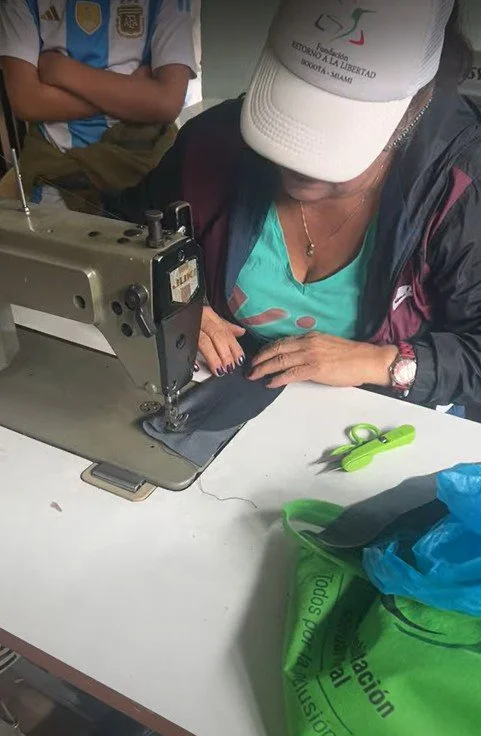
First, technical training in artisanal garment making and sewing.
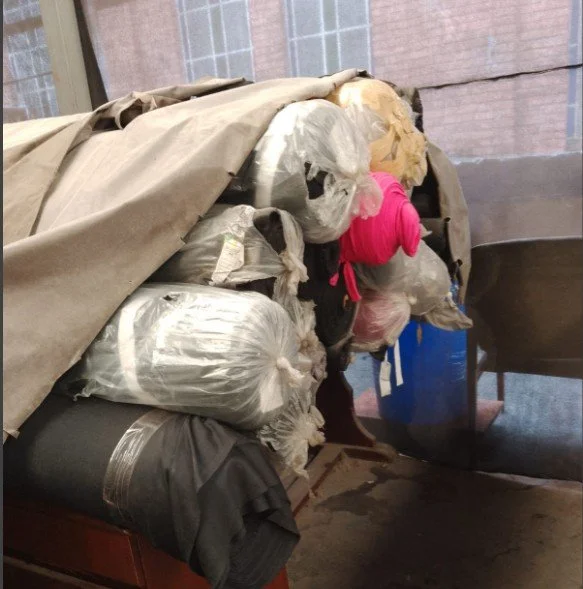
Over three months of in-person workshops, participants learned how to operate sewing machines, create basic patterns, master finishing techniques, and reuse textile materials. Several women began producing their own items independently. One participant, María, created her first line of handbags using recycled fabrics, demonstrating both creativity and the ability to generate income on her own. Months after the formal activities ended, some participants continue producing school uniforms and items for local fairs, strengthening their economic autonomy.
Second, personal development and leadership.
Reflection sessions and psychosocial support focused on rebuilding self-esteem, strengthening teamwork, and supporting social reintegration. These sessions were critical in helping participants regain confidence, rediscover their sense of purpose, and see themselves as agents of change within their families and communities. The project also fostered an active support network among the women, who now share knowledge, contacts, and job opportunities.
Third, product promotion and community engagement.
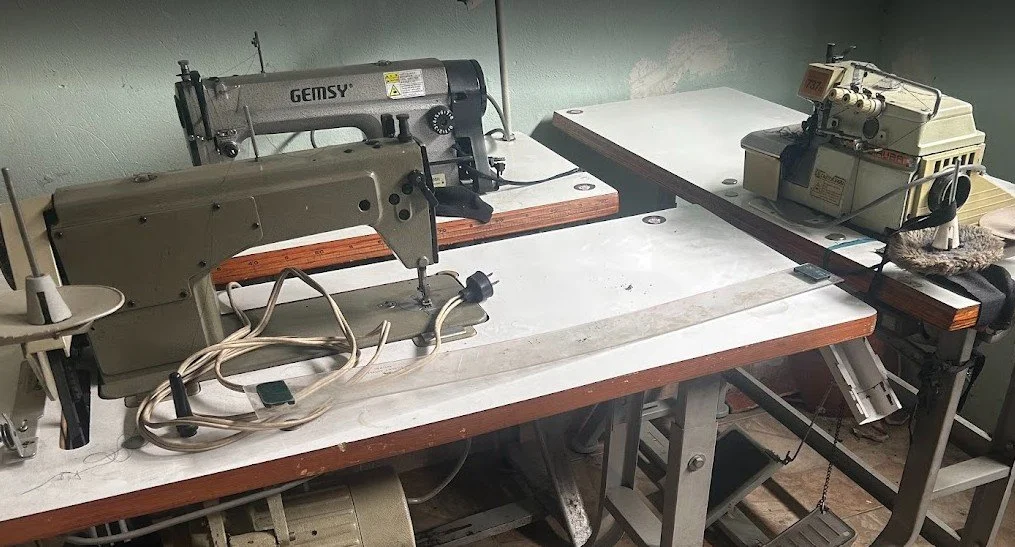
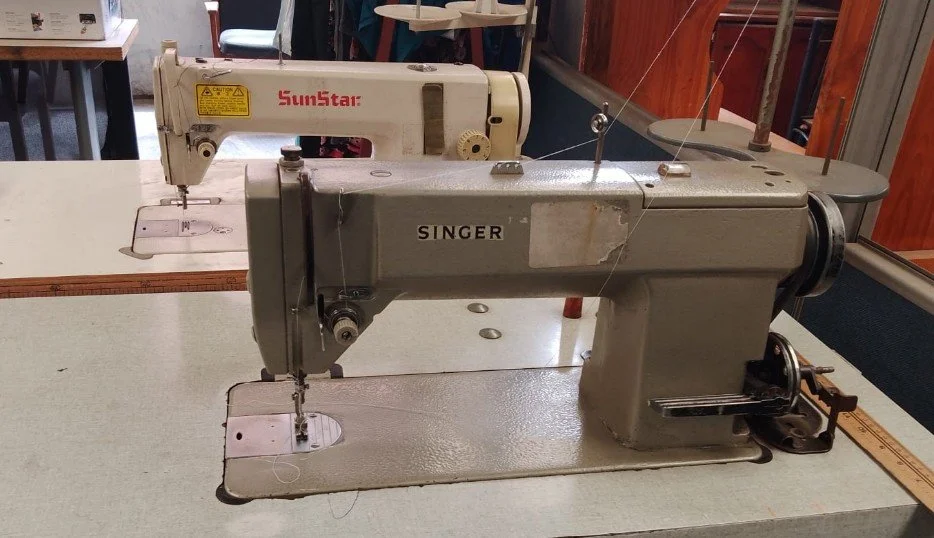
With grant funds, the Foundation purchased sewing equipment and materials and organized a community craft fair where participants showcased and sold their creations. This event not only allowed the women to share their talents but also raised awareness about the importance of second chances and inclusive reintegration. Through these visibility efforts, perceptions began to shift — community members increasingly recognized the women as entrepreneurs and contributors rather than stigmatized individuals.
Beyond direct participant impact, the grant significantly strengthened the Foundation itself. The funding enabled the implementation of a pilot model for productive entrepreneurship focused specifically on formerly incarcerated women — a model that now serves as the foundation for future replication. The acquisition of sewing equipment expanded the Foundation’s permanent workshop infrastructure, allowing training activities to continue beyond the grant period. The project also enhanced the organization’s visibility and positioned it as a local leader in productive and social reintegration processes.
Reflecting on the experience, Laura shared: “Witnessing the transformation in the participants’ lives reaffirmed my commitment as a social leader. The project demonstrated that combining practical skills training with emotional and psychosocial support leads to sustainable change — empowering women not only to earn income, but to reclaim dignity, confidence, and belonging within their communities.”