
Martine Zaarour & Jar Thuraya




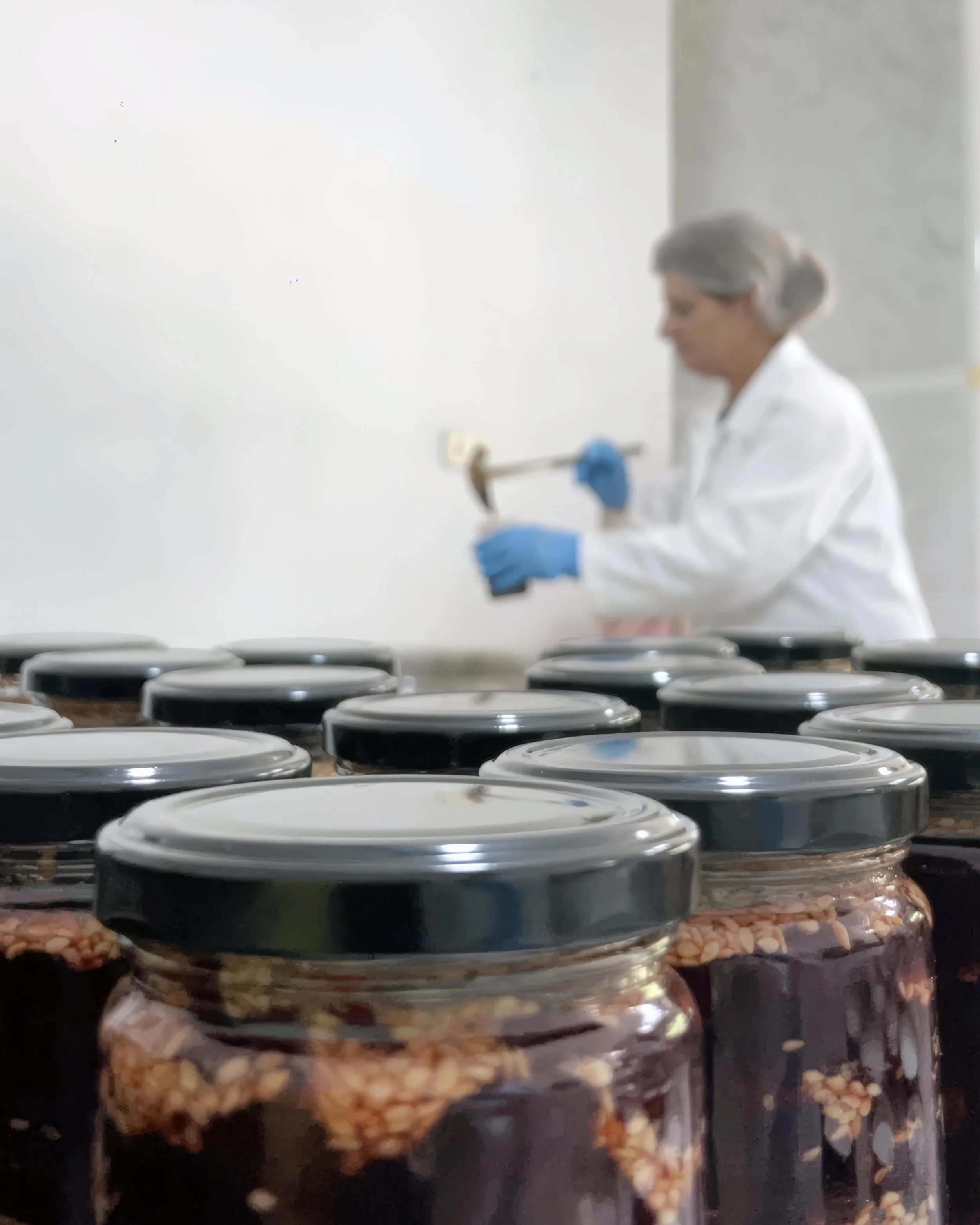
Martine Zaarour is an architect and social entrepreneur dedicated to design innovation, sustainability, and women's empowerment. She is the founder of Jar Thuraya, a women-led social enterprise in Lebanon that preserves the country’s culinary heritage while empowering rural women through sustainable food production. Jar Thuraya specializes in handcrafted, plant-based preserves, inspired by traditional Lebanese recipes, and uses seasonal, locally sourced ingredients from villages across Lebanon.
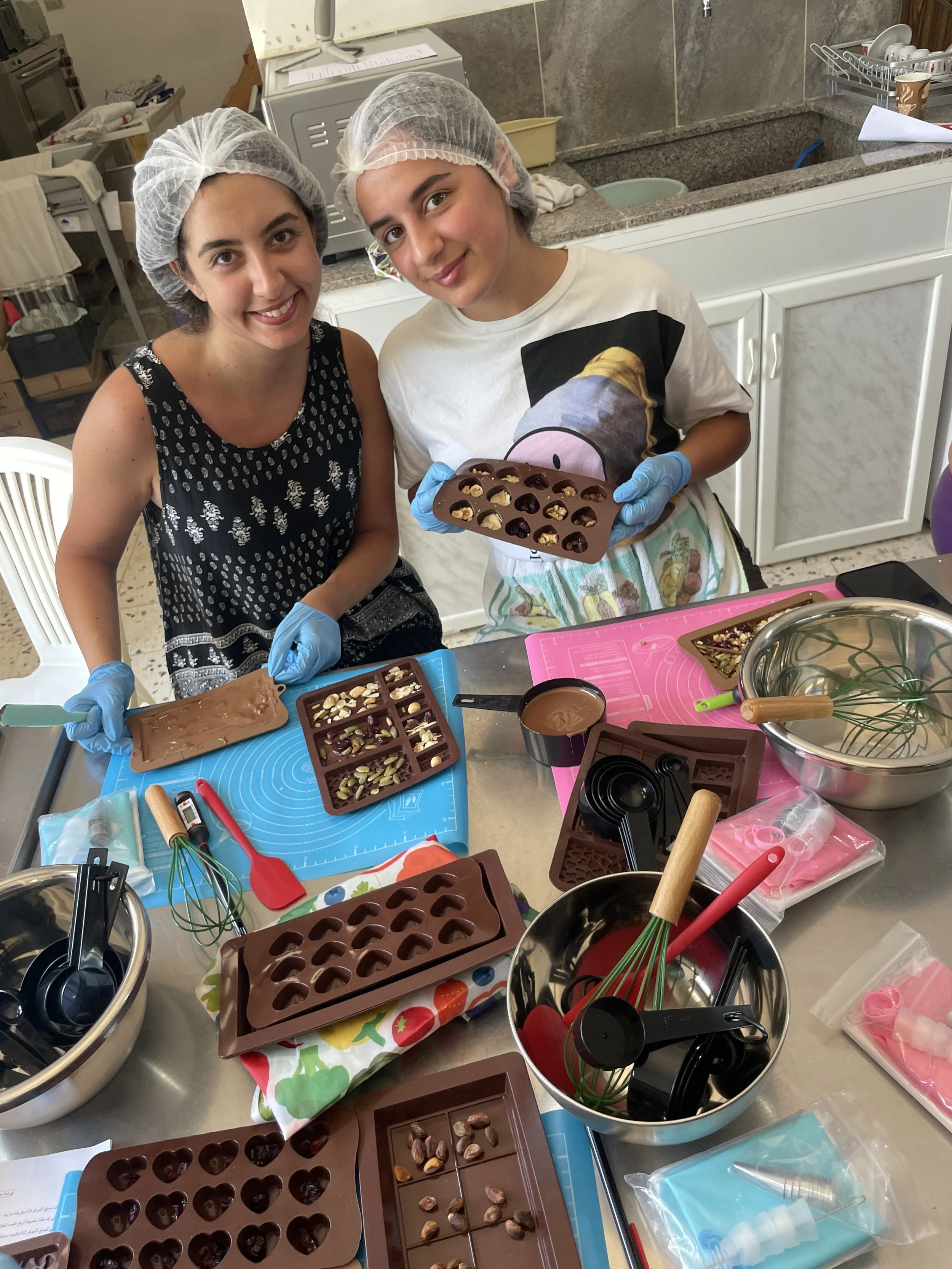
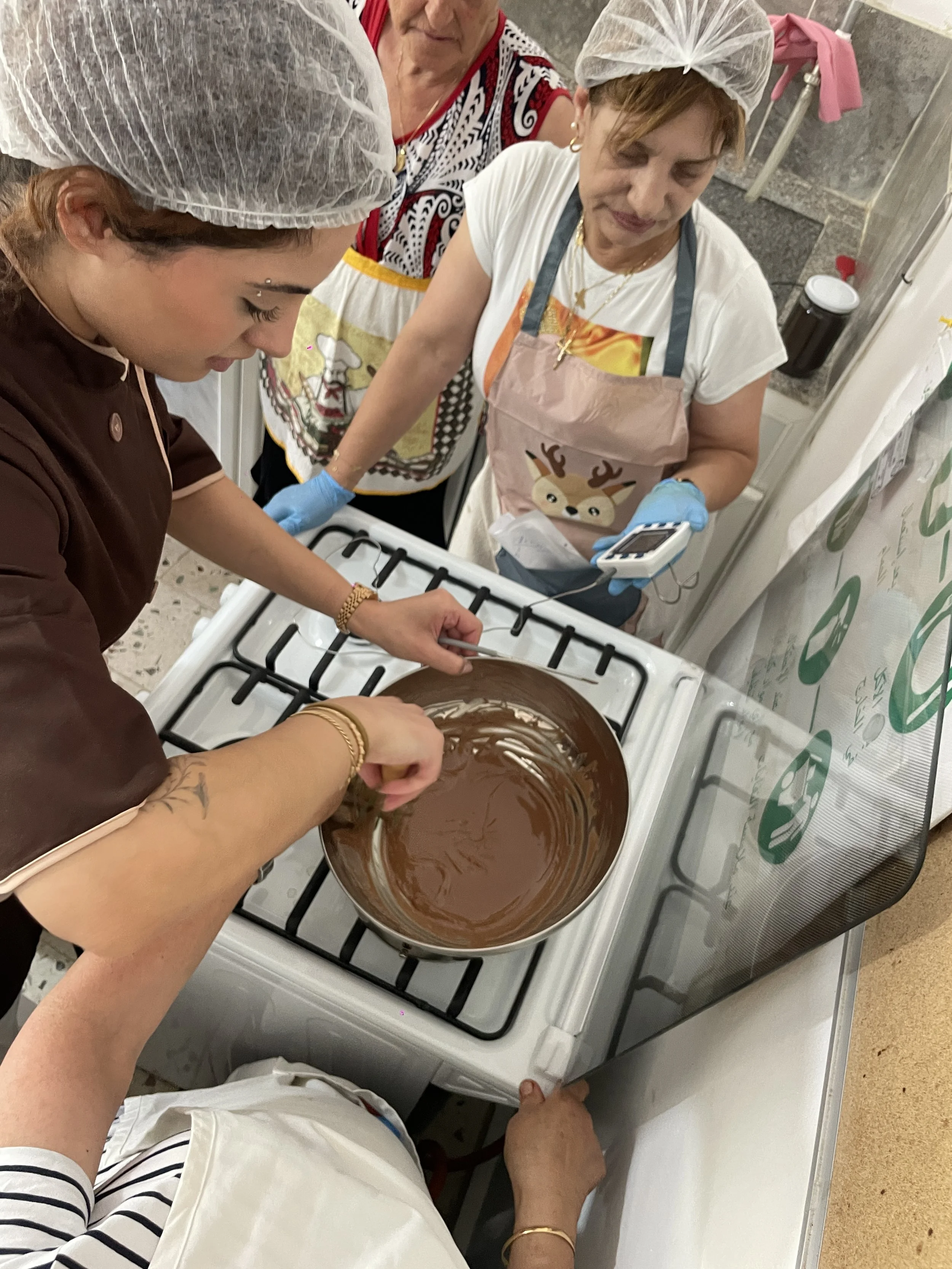
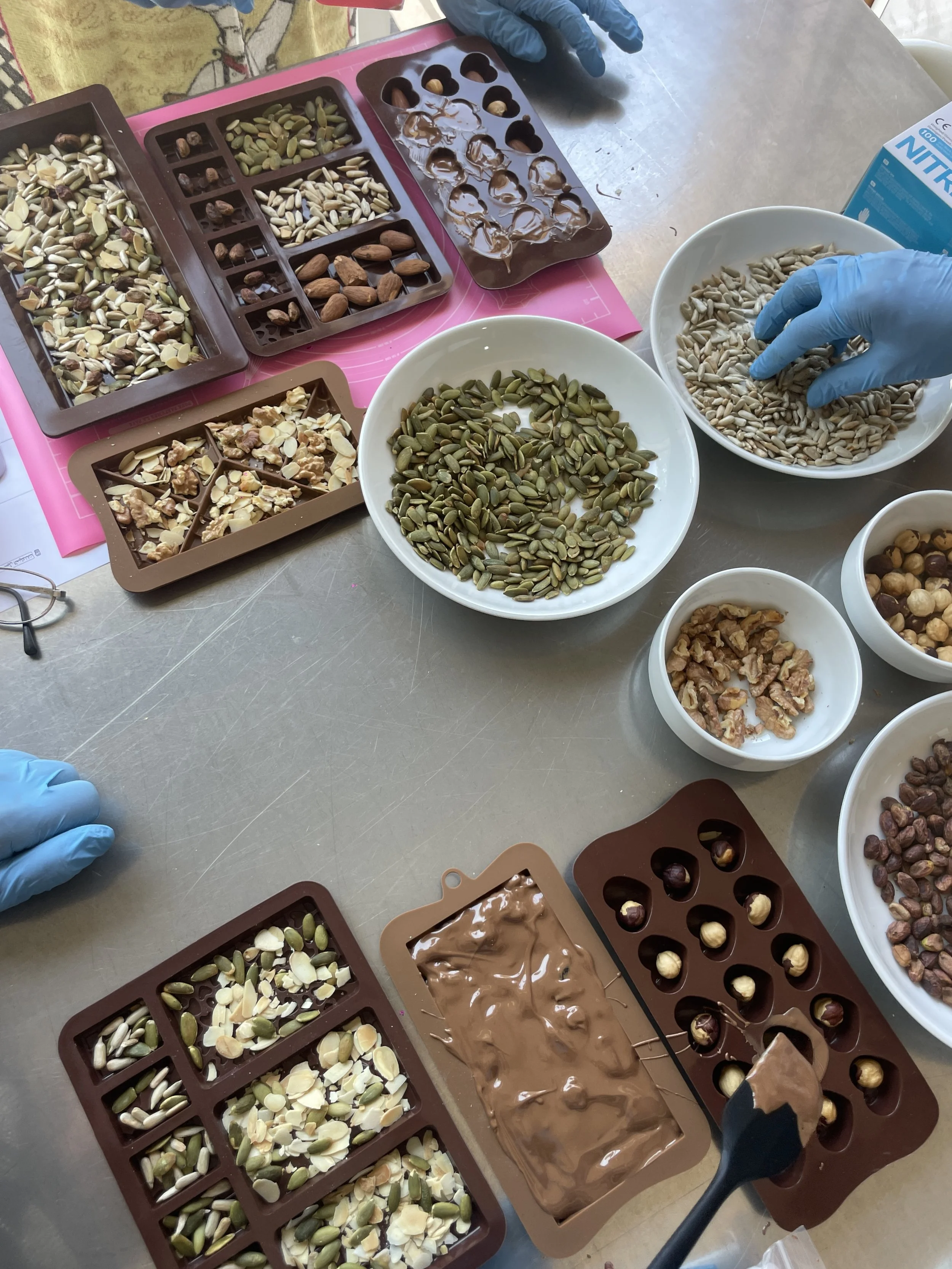
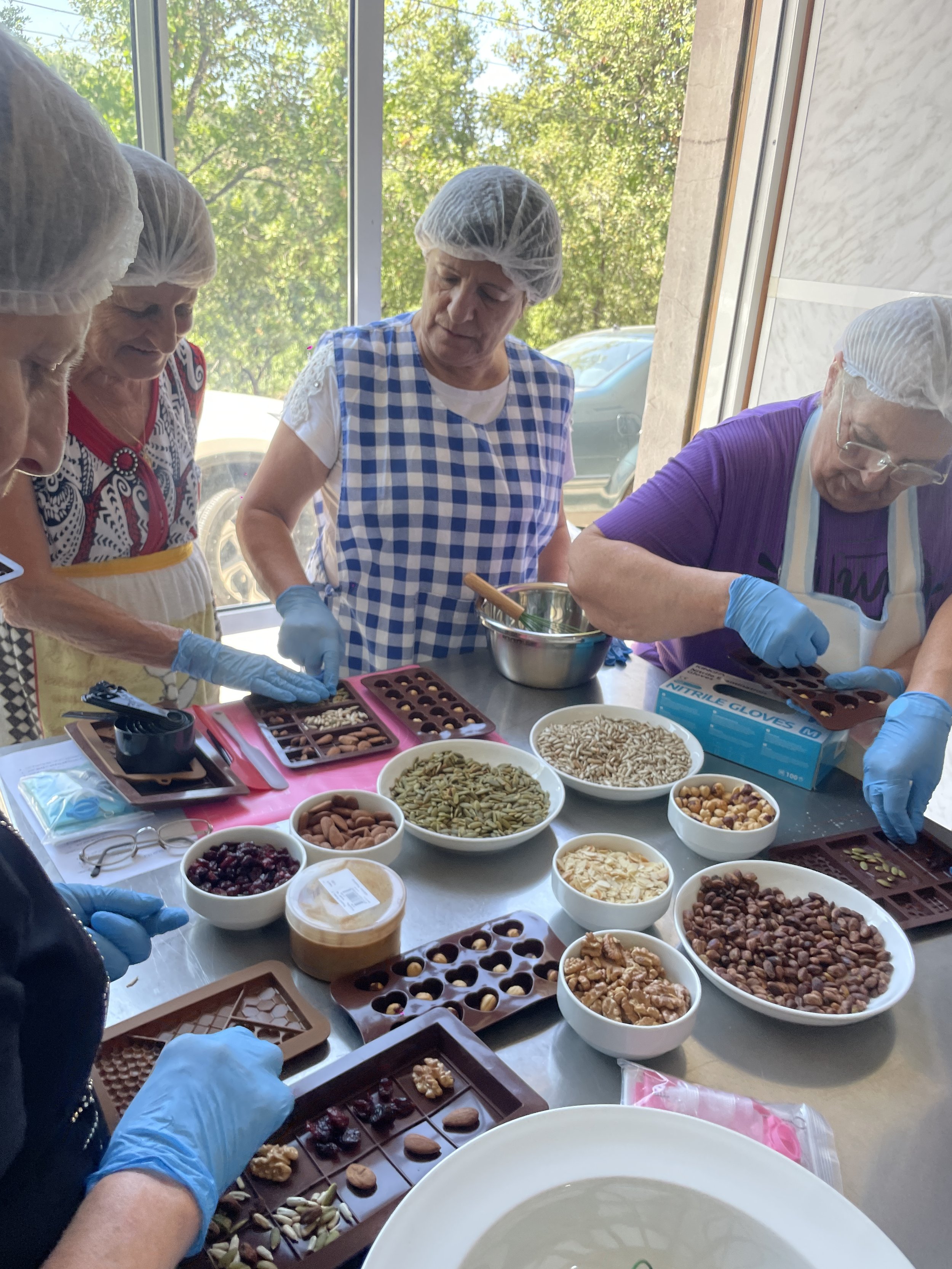
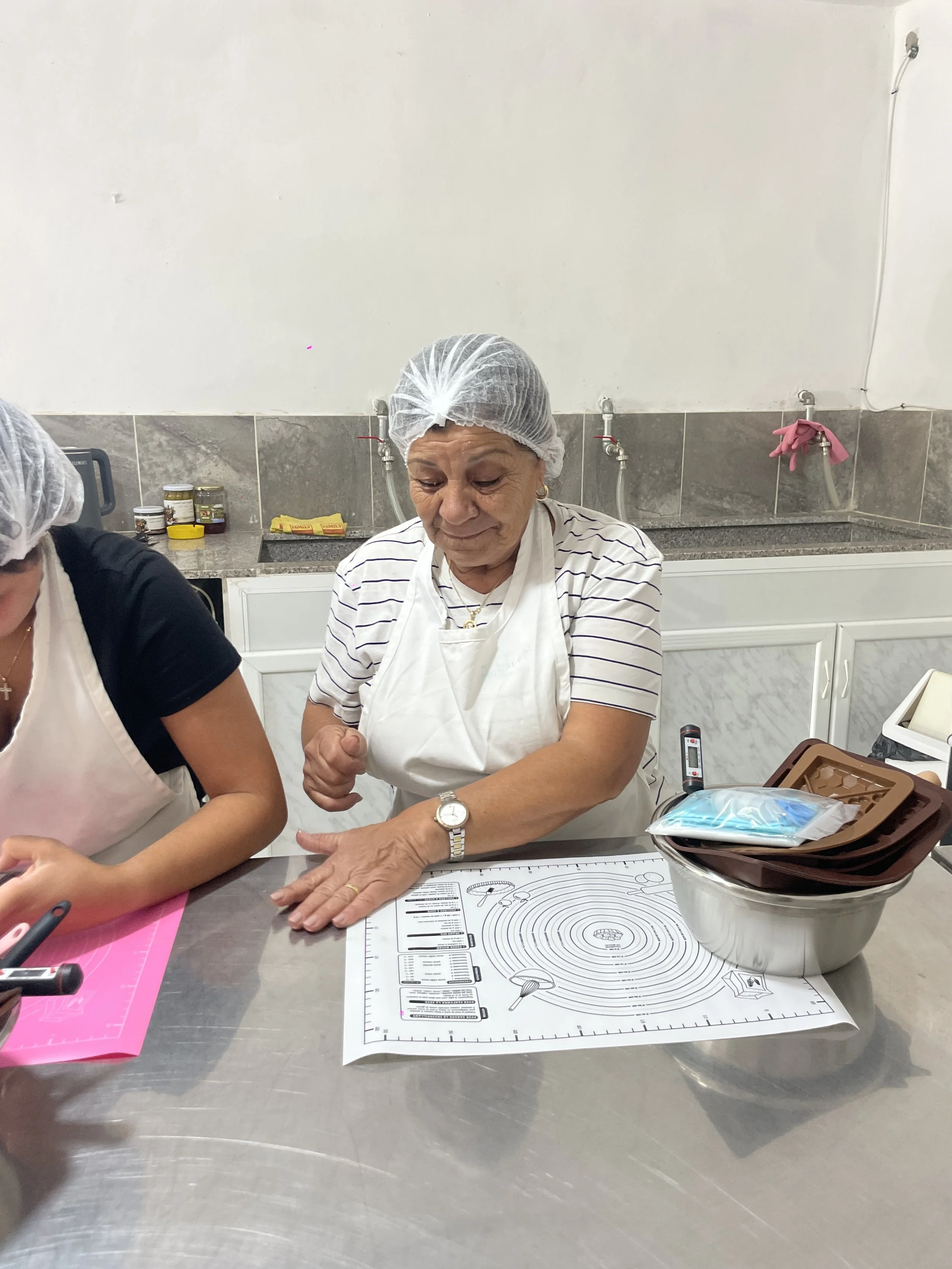
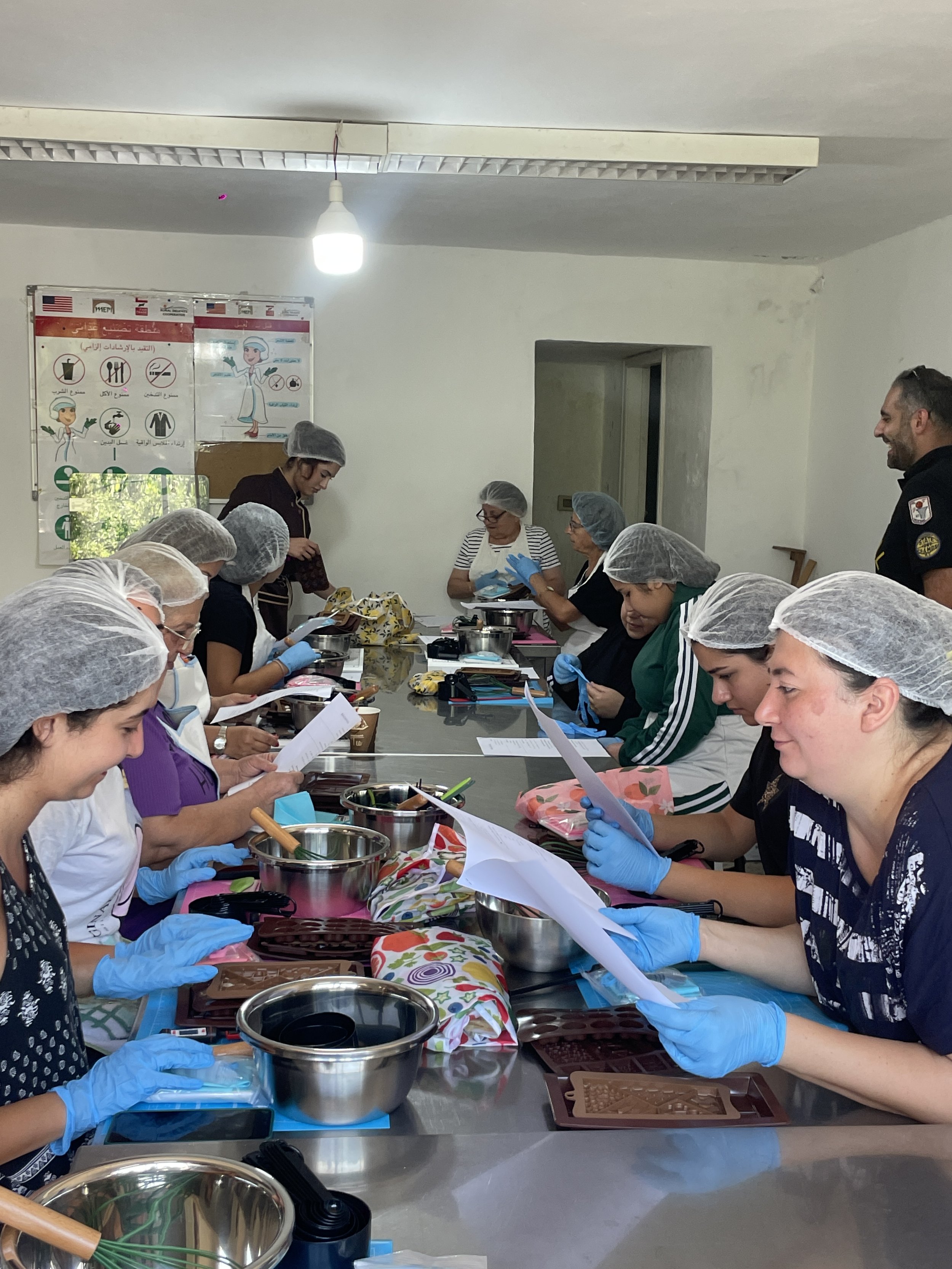
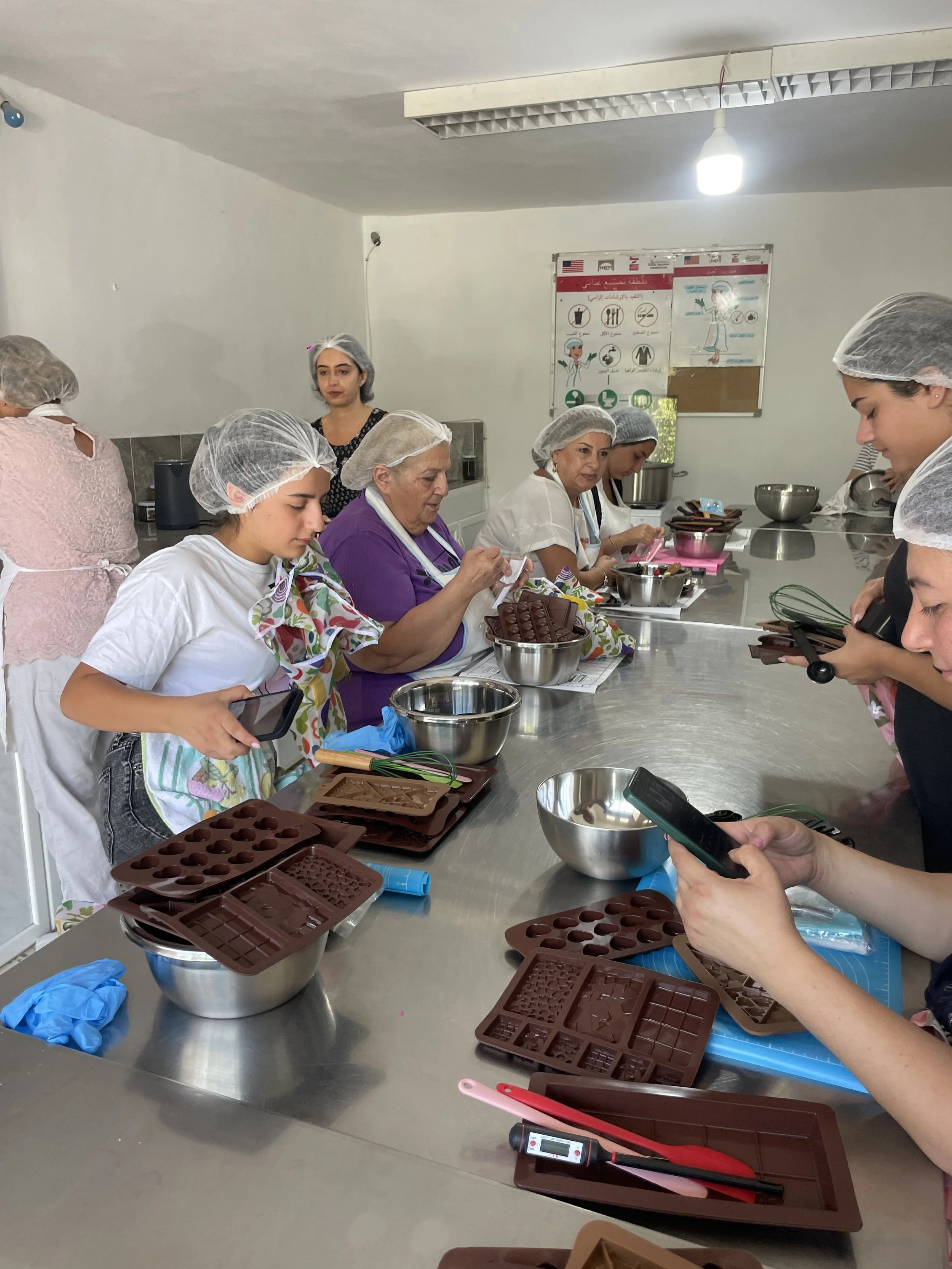
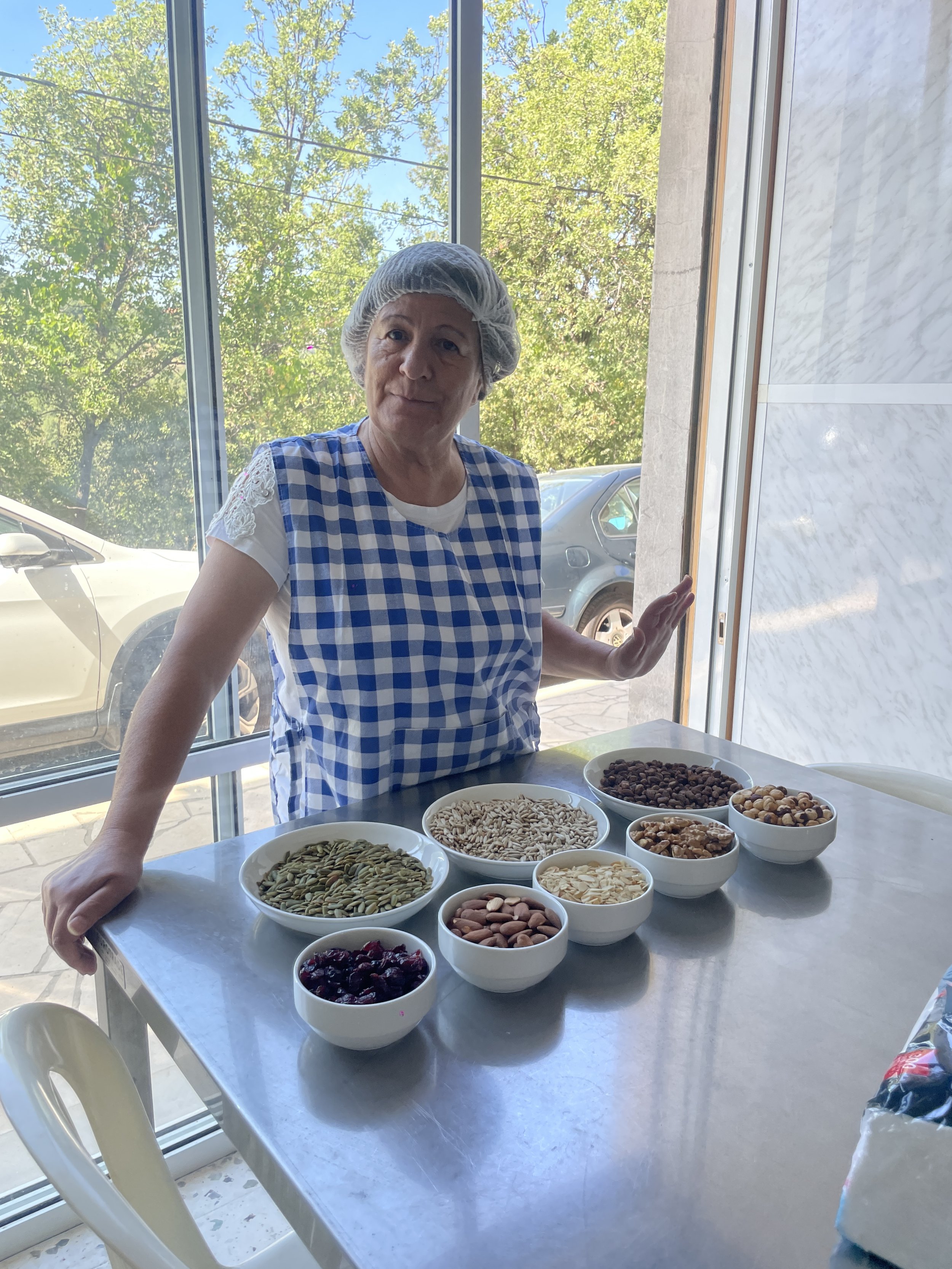
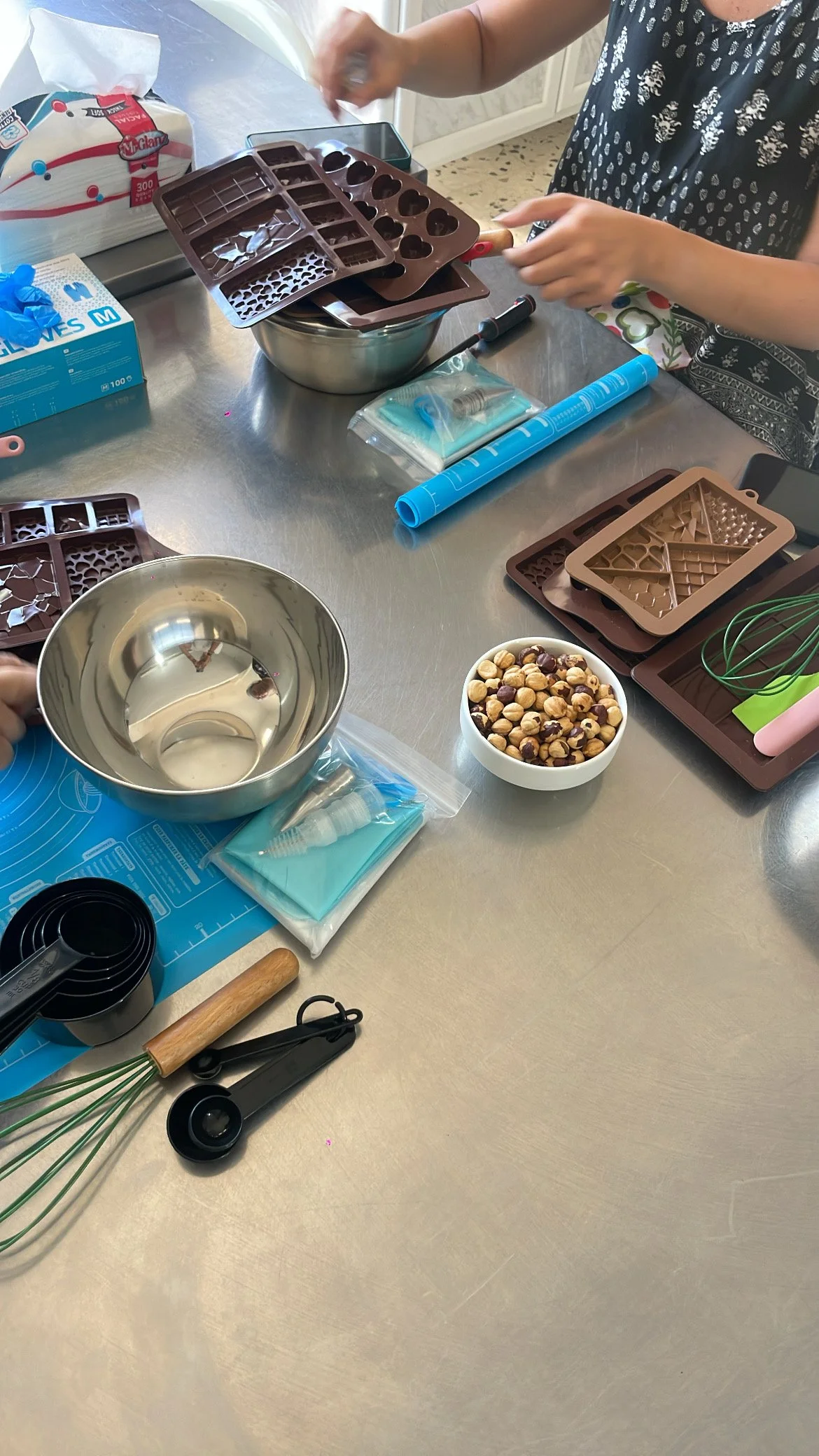
A key highlight of our Giving Joy microgrant was a hands-on chocolate-making workshop hosted at the Lehfed Women’s Cooperative. Sixteen women participated, including Lebanese women, one participant with a physical disability, and Syrian refugee women. The training introduced participants to chocolate production as a new technical category—covering chocolate melting, tempering, and molding techniques—while also celebrating local flavors by integrating Jar Thuraya’s artisanal jams and spreads into chocolate fillings. Each woman created her own chocolate bars and truffles using ingredients sourced from their communities.
For Martine, the workshop marked an important shift in her role as founder. For the first time, she facilitated a space focused not only on production, but on innovation, experimentation, and value-added product development. Watching participants confidently present their handmade chocolates at the end of the day reinforced a powerful insight: rural women do not lack talent—they often lack access to tools, exposure, and opportunity.
The workshop was also transformative for the Lehfed Cooperative itself. For the first time, the space became not only a production site, but a hub for learning, creativity, and peer collaboration. Women were not simply following instructions—they were testing flavor combinations, experimenting with fillings, and exchanging feedback and ideas.
To ensure the impact continued beyond a single training day, each participant received a personal toolkit to continue chocolate-making at home, including silicone molds, spatulas, mixing bowls, and starter ingredients. Many women have already begun experimenting independently, sharing samples with neighbors and small retailers, and exploring seasonal gifting opportunities such as Christmas, Valentine’s Day, and Eid.
For Jar Thuraya, the workshop represented a significant expansion of its training model. While the enterprise previously focused on jams, carob molasses, and traditional pantry products, this initiative strengthened its technical capacity in confectionery and opened new pathways for premium, year-round production. It also strengthened social ties across backgrounds, bringing women together in a collaborative space that fostered inclusion, confidence, and shared identity through food-making.
Looking ahead, Jar Thuraya plans to build on this momentum through follow-up training focused on advanced techniques and recipe development. A select group of women will continue refining their skills and contribute to the creation of Jar Thuraya’s new chocolate collection featuring signature jam and spread fillings. While the collection was initially expected to launch before Christmas, the workshop revealed that additional time, tools, and resources are needed to master the craft—ensuring the final product meets Jar Thuraya’s standards for quality and innovation.
The impact of Jar Thuraya, made possible through the Giving Joy grant, is a powerful example of how women’s empowerment can preserve cultural heritage, strengthen rural economies, and expand what women believe is possible for themselves and their communities.